

Dental Implant Options for Mature Patients in South Kensington
It often starts with a small hesitation—scanning a restaurant menu and bypassing the steak you truly want for the pasta you know you can manage. Or perhaps it is the subtle covering of your mouth during a grandchild’s graduation photo. For many of our mature patients, tooth loss is not just a clinical issue; it is a gradual narrowing of life’s pleasures.
There is a pervasive myth that once you reach a certain age, restorative dentistry becomes a closed door. You might wonder if it is worth the effort, or if your body can handle the procedure. However, modern dentistry has evolved significantly. Finding the right professional for dental care in South Kensington who understands the nuances of mature physiology is the crucial first step on this journey. Age is rarely the deciding factor; rather, it is your overall health and the precision of the care you receive that truly matters.
Why Age is a Number, Not a Barrier
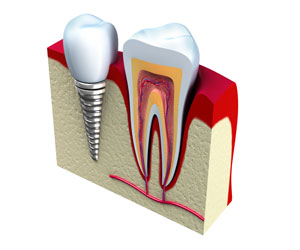
One of the most common questions we hear during consultations is, “Am I too old for this?” The scientific answer is reassuring. The success of dental implants relies on a biological process called osseointegration—a “handshake” between the titanium implant and your natural bone.
Research consistently shows that in healthy older adults, this biological fusion occurs just as reliably as it does in younger patients. While the healing timeline may differ slightly, the ultimate stability of the implant is comparable. The goal is not just to fill a gap; it is to restore the structural integrity of your jaw. When you lose a tooth, the surrounding bone lacks stimulation and begins to resorb (shrink), which can alter your facial profile, leading to the “sunken” look often associated with aging. Implants act as artificial roots, stimulating the bone and helping to maintain your natural facial structure.
If you are just beginning your research and asking, “what is an implant,” think of it less as a dental procedure and more as a bio-functional restoration that returns your mouth to its natural state.
Navigating Bone Density and Healing Times
As we mature, our bone density changes. This is a valid consideration, particularly for post-menopausal women or those with a history of osteoporosis. However, a diagnosis of osteoporosis is not an automatic disqualification for implants.
At Behrens Dental Practice, we utilize high-powered diagnostic imaging (CBCT scans) to map your jawbone in three dimensions before we ever begin. This allows us to see exactly where the bone is strongest. In cases where density is lower, we can use specialized techniques to build a solid foundation.
Healing is another area where mature patients require a tailored approach. While a younger patient might heal in three months, a mature patient might require four or five. We view this not as a delay, but as an investment in longevity. By respecting your body’s natural pace, we ensure the long-term success of the restoration. This is why knowing how to choose a dentist for implants is vital; you need a team that prioritizes your biological timeline over speed.
Health Considerations: Managing Complex Histories
Maturing often means managing a more complex medical history. Conditions such as diabetes or heart disease are common among our patients, but they are rarely absolute barriers to treatment. They simply require a more coordinated approach.
Diabetes and Oral Health
Controlled diabetes is generally compatible with implant therapy. The key is management. Uncontrolled blood sugar can affect healing and increase the risk of infection. We work closely with your medical team to ensure your levels are stable prior to treatment.
Periodontal History
If you have lost teeth due to gum disease, you may worry that implants will suffer the same fate. This is where periodontal maintenance becomes the cornerstone of your treatment. Before placing implants, we must ensure the oral environment is pristine. Our practice often utilizes laser treatment (like the Duo-Lase™ technology) to eliminate bacteria and ensure the gums are healthy enough to support new restoration.
Tailored Implant Solutions for the Mature Jaw
Restorative dentistry is not “one size fits all.” Depending on your specific needs—whether you are missing a single tooth or require a full-arch restoration—there are distinct pathways to restoring your smile.
Single Tooth Replacement
For the loss of one or two teeth, single tooth replacement is the gold standard. Unlike a traditional bridge, which requires filing down healthy adjacent teeth, an implant stands alone, preserving the integrity of your remaining natural teeth.
Implant-Retained Dentures
For patients currently struggling with loose or uncomfortable dentures, implant-retained dentures (often called “snap-on” dentures) offer a life-changing upgrade. By placing just two to four implants, we can anchor the denture firmly. This eliminates the need for messy adhesives and restores the ability to eat crisp vegetables and tough proteins.
Full Arch Solutions (All-on-4®)
For those facing the loss of all teeth in an arch, solutions like All-on-4 implants London providers offer can be transformative. This technique uses strategic angles to place implants in the densest parts of the jaw, often avoiding the need for bone grafting. It allows for a full set of fixed teeth that look and function like natural ones.
The “Why”: Quality of Life and Confidence
The decision to pursue dental implants in later life is rarely about vanity; it is about dignity and quality of life.
- Nutritional Health: The ability to chew thoroughly affects digestion and nutrient absorption, which are critical for overall health as we age.
- Social Confidence: The fear of a denture slipping while speaking or laughing can lead to social withdrawal. Fixed solutions eliminate this anxiety.
- Cognitive Connection: Emerging research suggests a link between chewing force and cognitive function. Keeping an active, functioning jaw is part of keeping an active mind.
FAQ: Common Concerns for Mature Patients
Q: Is the procedure painful?
A: We use advanced local anaesthesia and, where necessary, sedation options to ensure the procedure is comfortable. Most patients report that the discomfort during recovery is far less than they anticipated—often less than a tooth extraction.
Q: Is gum disease dangerous for my new implants?
A: Yes, a condition called peri-implantitis can occur if oral hygiene is neglected. Understanding the risks of periodontal disease is important. However, with regular hygiene appointments and proper home care, this risk is easily managed.
Q: How long do implants last?
A: With proper care and periodontal maintenance guidelines followed, dental implants can last a lifetime. They are designed to be a permanent solution.
Q: Am I too old for a smile makeover?
A: Never. We have successfully treated patients in their 80s and 90s. If you are generally healthy enough to undergo routine dental procedures, you are likely a candidate for implants.
Taking the Next Step
Your age should not dictate the quality of your life or the confidence of your smile. Whether you are looking to secure a loose denture or replace a failing tooth, the technology and expertise exist to restore your function fully.
At Behrens Dental Practice in South Kensington, we specialize in helping mature patients navigate these options with honesty, patience, and clinical excellence. We invite you to sit down with us, not for a sales pitch, but for a conversation about what is possible for your dental health.