

When to Seek Emergency Periodontal Care in London
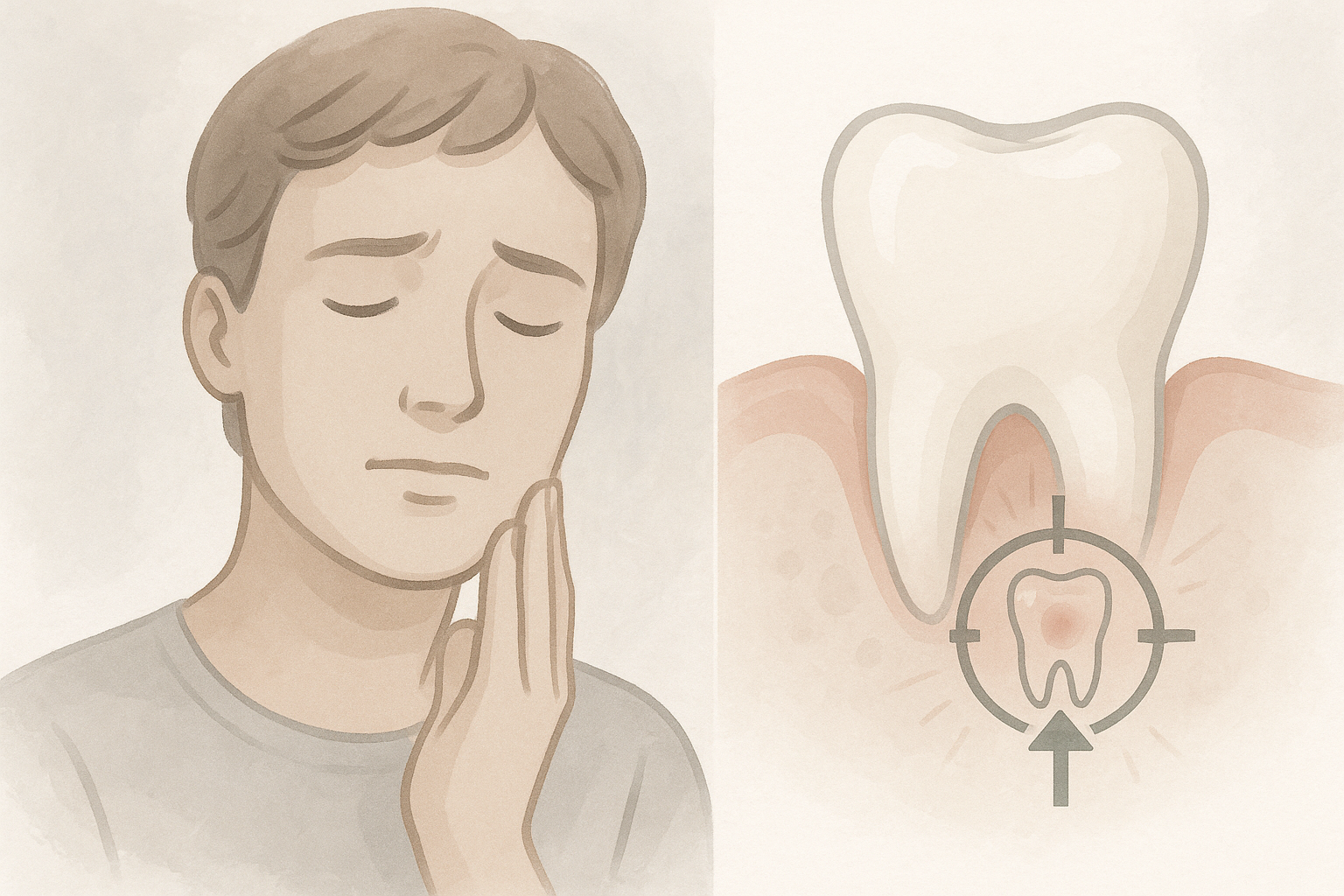
It often starts subtly. A dull ache in your gums you dismiss as temporary, or a bit of pink on your toothbrush you’ve learned to ignore. But what happens when that ache sharpens into a throbbing pain that keeps you up at night, or your gums suddenly become swollen and tender to the touch? In the heart of London, life moves fast, and it’s easy to postpone a dental visit. However, some gum symptoms aren’t just warnings; they’re emergencies.

Ignoring an urgent gum issue can lead to serious consequences, including tooth loss and systemic health complications. Studies show that acute periodontal infections require immediate specialist intervention to prevent irreversible damage to your jawbone. This guide is designed to help you understand the difference between a minor issue and a true periodontal emergency, empowering you to seek the right care from a periodontist in London, right when you need it.
Are you currently experiencing any of the following?
- Severe, persistent, or throbbing pain in your gums
- Swelling in your gums or face
- Pus or discharge coming from between your teeth and gums
- A sudden change in how your teeth fit together
- Teeth that have suddenly become loose
- Unexplained, persistent bleeding from your gums
If you checked any of these boxes, it’s crucial to understand what’s happening and what to do next.
What Exactly is a Periodontal Emergency?
A general dental emergency might involve a chipped tooth or a lost filling. A periodontal emergency, however, is specifically focused on the health of your gums and the bone that supports your teeth. It’s an acute condition that can escalate quickly, causing significant pain and posing an immediate threat to your oral health.
Unlike chronic gum disease, which develops over time, these emergencies often appear suddenly. They are typically infections or inflammatory responses that require a specialist’s touch. A periodontist is a dentist who specializes in the prevention, diagnosis, and treatment of diseases affecting the gums and supporting structures of the teeth. For a true gum emergency, their expertise is invaluable.
The main types of periodontal emergencies include:
- Acute Periodontal Abscess: This is a localized pocket of pus that forms in the gum tissue next to a tooth’s root. It can cause intense, throbbing pain and swelling and is a sign of a severe infection that needs to be drained and treated immediately.
- Necrotizing Periodontal Diseases: A rare but very serious infection characterized by sudden, severe pain, bleeding, and the death (necrosis) of gum tissue. It often presents with a foul taste or odour and requires urgent, aggressive treatment.
- Severe Gum Pain of Unknown Origin: Any severe, unexplained gum pain that doesn’t subside should be considered an emergency. It could signal an underlying issue that needs expert diagnosis.
- Sudden Tooth Mobility: If one or more teeth become noticeably loose without any obvious trauma, it can be a sign of rapid bone loss from an aggressive form of gum disease.
Understanding what periodontal disease is in its chronic form can help you recognise when symptoms suddenly become acute and urgent.
Understanding the main types of periodontal emergencies helps you identify when severe gum symptoms signal the need for immediate specialist care.
Your Symptoms, Our Expert Advice – When to See a Periodontist Immediately
Knowing how to interpret your body’s signals is the first step toward protecting your health. Here’s a breakdown of urgent symptoms and what they could mean.
Severe, Throbbing Gum Pain
Pain is your body’s alarm system. While a minor, fleeting sensitivity is one thing, a deep, throbbing, persistent ache in your gums is a red flag. This type of pain is often associated with a periodontal abscess, where infection is trapped beneath the gum line, building pressure and causing intense discomfort.
Myth vs. Reality
Myth: “If I take a painkiller and the pain goes away, the problem is solved.”
Reality: Painkillers mask the symptom but do not treat the underlying infection. The infection will continue to worsen, potentially spreading and causing more significant damage.
Swelling and Pus Discharge
Visible swelling in your gums, cheek, or jaw, especially when accompanied by a pimple-like bump on the gum (a fistula), is a classic sign of an abscess. If you press on the area and see pus, this confirms an active infection. Research suggests that up to 80% of such cases are acute periodontal abscesses that demand immediate specialist care to prevent the infection from spreading to your jawbone or even your bloodstream.
Suddenly Loose Teeth
If a tooth that was previously stable suddenly feels loose or shifts its position, this is a critical emergency. It indicates that the underlying bone and ligaments holding the tooth in place have been severely compromised, likely by a rapid and aggressive infection. Delaying treatment by even a day or two can be the difference between saving and losing the tooth.
Persistent or Heavy Bleeding
Many people mistakenly believe that bleeding gums are normal. They are not. While minor bleeding from gingivitis might not be a middle-of-the-night emergency, a sudden increase in bleeding or bleeding that won’t stop is a cause for immediate concern. It can be a symptom of necrotizing periodontal disease or another acute condition.
What to Do While You Wait for Your Appointment
If you’re experiencing these symptoms, contact a specialist immediately. While you wait to be seen, you can:
* Rinse Gently: Use a warm saltwater solution (half a teaspoon of salt in a glass of warm water) to gently rinse your mouth. This can help soothe the area and draw out some of the infection.
* Apply a Cold Compress: Hold a cold pack against your cheek on the affected side to help reduce swelling and numb the pain.
* Avoid Aspirin: Do not place aspirin directly on the gums, as this can cause a chemical burn. Stick to over-the-counter pain relief as directed, but remember it’s not a cure.
The risks of untreated periodontal disease are significant, which is why acting quickly is paramount.
The Periodontist Difference: Why Specialist Care Matters in an Emergency
In a periodontal emergency, seeing a specialist isn’t a luxury; it’s a necessity. While a general dentist is equipped to handle many dental issues, a periodontist has years of advanced training focused exclusively on the gums and supporting bone.
Here’s why that matters in an urgent situation:
- Precise Diagnosis: A periodontist uses specialized tools and techniques, like high-powered microscopes, to accurately diagnose the exact cause and extent of the emergency. They can differentiate between various types of infections that may present with similar symptoms.
- Targeted Treatment: For an abscess, a periodontist can expertly drain the infection and clean the deep periodontal pocket to prevent it from recurring. For more complex conditions, they have access to advanced treatments.
- Saving Teeth: Their primary goal is to save your natural teeth. A periodontist’s in-depth knowledge of bone and tissue regeneration gives you the best possible chance of saving a tooth that has become loose due to infection.
- Holistic Approach: They don’t just address the immediate crisis. A periodontist will also create a long-term plan to manage your gum health and prevent future emergencies.
At Behrens Dental Practice, our team includes periodontists like Dr. Georgios Kolaitis, who holds an MSc in Periodontics. This level of expertise ensures that your emergency is handled with the highest standard of care, from initial diagnosis to follow-up, leveraging advanced options like laser periodontal treatment in London for effective, minimally invasive solutions.
Your Immediate Pathway to Emergency Periodontal Care in South Kensington
When you’re in pain and worried, the last thing you need is uncertainty. At Behrens Dental Practice, we are committed to providing prompt and compassionate care for periodontal emergencies. We understand the urgency of your situation and ensure that acute cases are seen as quickly as possible.
Our patient-centric approach means we take the time to listen to your concerns, explain the diagnosis clearly, and provide immediate relief. We are equipped with state-of-the-art diagnostic and sterilisation technology to ensure your treatment is not only effective but also safe.
If you believe you are experiencing a periodontal emergency, do not wait. Delay can lead to more complex problems and more invasive treatments down the line. We handle every dental emergency in Kensington with the priority it deserves.
Take Action Now:
Call us immediately to describe your symptoms. Our knowledgeable team will provide guidance and arrange an urgent appointment. If you are reading this outside of our opening hours, please follow the instructions on our contact page.
For expert care from a dentist in South Kensington, contact us immediately. We are located conveniently in the heart of the community, ready to help restore your oral health and peace of mind.
FAQ: Answering Your Urgent Questions About Gum Emergencies
Is all gum pain an emergency?
Not all gum pain is an emergency, but severe, throbbing, or persistent pain is. If the pain is sharp, disrupts your sleep or daily activities, or is accompanied by swelling or fever, you should seek immediate care.
Can I just use painkillers and wait for it to go away?
No. Painkillers only mask the symptoms. A periodontal emergency is typically caused by an infection that will not resolve on its own. The infection can spread and cause more severe damage if left untreated.
What happens if I delay treatment for a gum infection?
Delaying treatment can lead to the infection spreading to the jawbone, causing bone loss and potentially tooth loss. In rare cases, the infection can enter the bloodstream and cause systemic health problems.
How can I tell if it’s a gum problem or a tooth problem?
It can be difficult for a patient to tell. Pain that is localized to the gum tissue, swelling in the gums, and pus discharge are strong indicators of a periodontal issue. A specialist can perform tests to give a definitive diagnosis.
Will an emergency visit be expensive?
At Behrens Dental Practice, we believe in transparency. We will assess your situation, explain the necessary treatment, and provide a clear breakdown of costs before proceeding. Investing in immediate care is often far less costly than the extensive treatment required after a condition has worsened. Our focus is on providing the best possible care to resolve your emergency effectively. You can learn more about why to choose Behrens Dental Practice and our commitment to patient education and honesty.
—
In Summary: Your Gum Health Urgency Scale
When in doubt, it’s always better to be cautious and seek professional advice. Keep this simple guide in mind to assess your symptoms.

Keep this Urgency Scale handy to quickly assess the severity of your gum symptoms and know when immediate specialist care is necessary to protect your oral health.
Your oral health is a critical part of your overall well-being. By learning to recognise the signs of a periodontal emergency and acting swiftly, you are taking a powerful step in protecting it.