

The Systemic Link How Your Gums Affect Your Heart Diabetes and Pregnancy
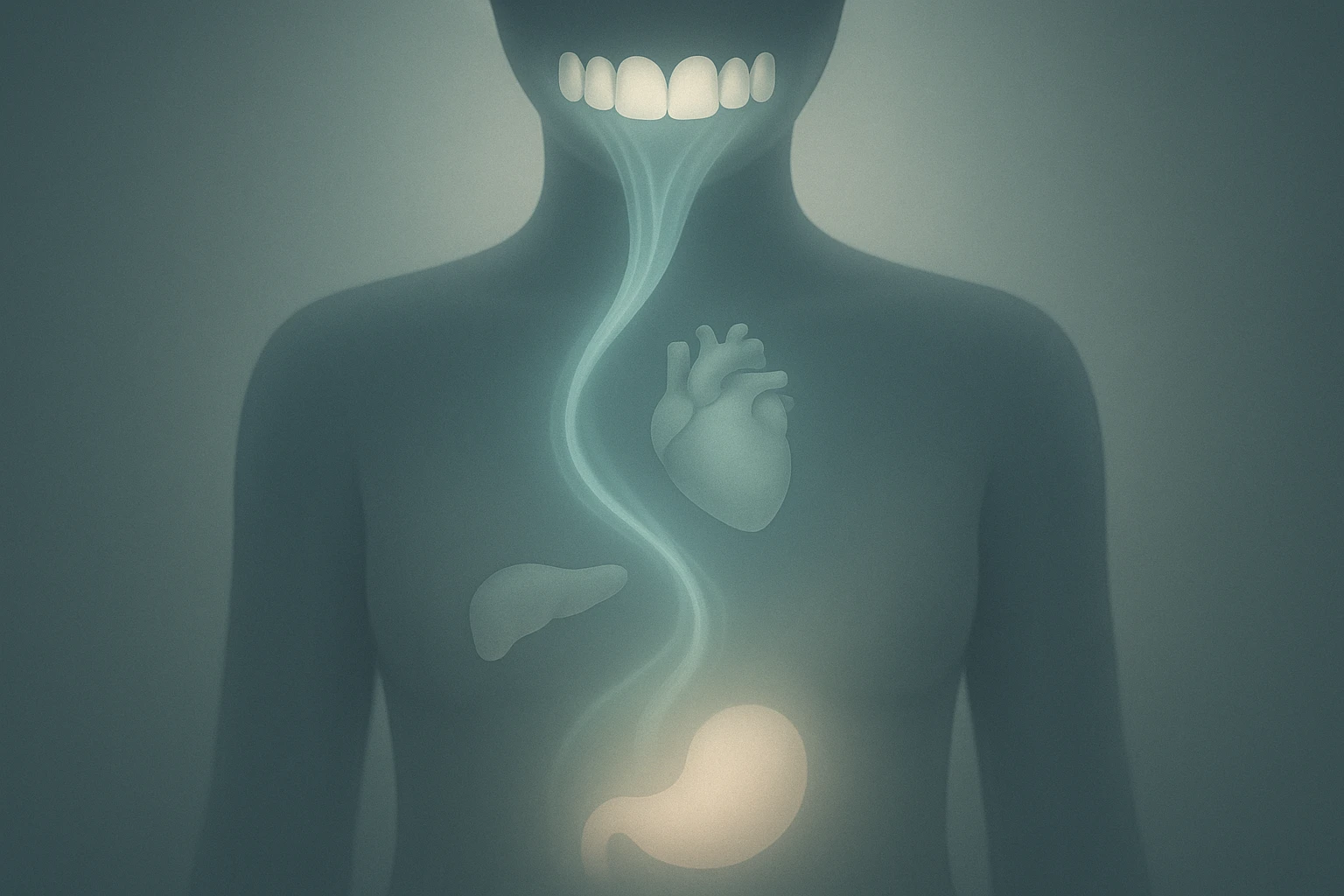
It’s easy to think of oral health as existing in a world of its own—something separate from the rest of your body. You brush, you floss, you see your dentist, and that’s that. But a growing body of robust scientific evidence reveals a much deeper story. The health of your gums is not just about preventing cavities or maintaining a bright smile; it’s a critical component of your overall systemic health, influencing everything from cardiovascular wellness to pregnancy outcomes.
For the health-conscious individual, understanding this connection is no longer optional. The bacteria and inflammation originating in your mouth don’t stay there. They can travel through your bloodstream, contributing to serious health conditions in ways that are only now being fully understood. This isn’t speculation; it’s a well-documented biological reality that changes how we must approach personal wellness.
Beyond the Smile: Understanding the Oral-Systemic Connection
At the heart of this connection is periodontal disease, a chronic inflammatory condition triggered by a buildup of bacterial plaque. While early-stage gingivitis might just cause red, swollen gums, untreated it can advance to periodontitis. This more severe form damages the soft tissue and bone supporting your teeth, creating deep pockets where harmful bacteria thrive. A detailed periodontal disease diagram can illustrate how this progression occurs beneath the gumline.
From these pockets, the bacteria and the inflammatory byproducts they create can easily enter your bloodstream. Once circulating, this bacterial load can trigger or worsen inflammation throughout your body, laying the groundwork for a host of systemic health problems. Think of it as a constant, low-grade infection that silently compromises your body’s other systems.
The Data-Backed Risks: Heart Disease, Diabetes, and Pregnancy Outcomes
When you’re evaluating health choices, you need clear data, not vague associations. The research linking gum health to systemic diseases is compelling and provides a clear case for proactive care.
The Cardiovascular Connection
Chronic inflammation is a known driver of atherosclerosis, the hardening and narrowing of arteries that leads to heart attacks and strokes. The inflammatory response initiated by periodontal disease directly contributes to this systemic burden. Research shows that individuals with periodontitis have a 28% increased risk of experiencing a first heart attack compared to those with healthy gums.
The Bi-Directional Link with Diabetes
The relationship between gum disease and diabetes is a particularly challenging two-way street. Uncontrolled diabetes impairs the body’s ability to fight infection, making individuals more susceptible to severe periodontitis. In turn, the chronic inflammation from gum disease makes it harder to control blood sugar levels, creating a vicious cycle. The good news? Clinical studies show that effective periodontal treatment can improve glycemic control, reducing the A1c score in diabetic patients and lowering the risk of complications.
Pregnancy and Perinatal Health: A Critical Link
For expectant mothers, gum health is an essential part of a healthy pregnancy. Hormonal changes during pregnancy can exacerbate the body’s response to plaque, and research indicates that 60-75% of pregnant women develop gingivitis. If left to progress, the implications can be serious. Studies have consistently shown that periodontal disease more than doubles the risk of preterm birth and is also linked to delivering a low-birth-weight baby. The inflammation can interfere with fetal development and trigger early labor.

When to Act: A Timeline for Protecting Maternal and Infant Health
Understanding the risks is the first step. Knowing when to take action is what truly empowers you. For pregnancy, timing is crucial for maximizing positive outcomes for both mother and baby.

- Pre-Conception: The ideal time for a comprehensive dental and periodontal evaluation is before you become pregnant. This allows us to address any existing issues, establishing a healthy foundation for the months ahead.
- During Pregnancy: Contrary to old myths, dental care during pregnancy is not only safe but essential. The second trimester is often the optimal time for necessary treatments. Many women have concerns about procedures like getting fillings when pregnant, but leaving an active infection like periodontitis untreated poses a far greater risk to you and your baby.
From Evidence to Action: Your Oral Health Plan
Taking control of your periodontal health starts with a clear, actionable plan. It’s about working with a dental team that understands the systemic link and can provide guidance tailored to your specific health profile.

At Behrens Dental Practice, we prioritize diagnostics using high-powered microscopes to identify problems with precision. This allows for early, minimally invasive interventions. For established periodontitis, we offer advanced non-surgical treatments, including the innovative Duo-Lase™ Periodontal Treatment. As the founder of this technology, Dr. Ole Behrens has pioneered a less invasive laser-based approach to managing gum disease effectively, reflecting our commitment to integrating cutting-edge technology for better patient outcomes.
The Clinical Proof: What the Strongest Evidence Shows
Your decisions should be based on confidence and solid evidence. A landmark network meta-analysis published in Frontiers in Public Health synthesized data from numerous randomized controlled trials to determine the most effective interventions.
The results are powerful. Evidence-based treatments, particularly scaling and root planing (SRP) combined with chlorhexidine rinsing, were shown to reduce the odds of preterm birth by up to 75%. This is not a marginal improvement; it’s a profound, statistically significant impact that underscores why understanding the risks of periodontal disease is so important.

Frequently Asked Questions
1. Is it safe to get dental treatment during pregnancy?
Absolutely. Professional bodies like the American Dental Association strongly recommend that pregnant women maintain their oral health. The second trimester is typically the ideal window for treatment. The risk of an untreated infection is far higher than the risk of safe, necessary dental care.
2. What are the early signs of gum disease I should look for?
The most common signs are gums that bleed when you brush or floss, redness or swelling, persistent bad breath, and gums that appear to be pulling away from your teeth. Because it can be painless in early stages, regular check-ups are essential.
3. How is periodontal therapy different from a regular dental cleaning?
A regular cleaning (prophylaxis) focuses on the tooth surfaces above the gumline. Periodontal therapy, such as scaling and root planing (SRP), is a deeper, therapeutic cleaning that goes below the gumline to remove bacterial deposits from the root surfaces. Our approach to personalized periodontal treatment ensures care is tailored to the specific stage and grade of your condition.
4. Does treatment for gum disease hurt?
Your comfort is our priority. We use local anaesthetic to ensure you are comfortable during any procedure. Modern techniques and technologies like Duo-Lase™ are also designed to be less invasive and promote faster, more comfortable healing.
Your Next Step: Integrating Oral Health into Your Wellness Journey
Your oral health is a vital, non-negotiable part of your overall health strategy. The evidence is too strong to ignore. Taking a proactive stance isn’t just about protecting your teeth; it’s about protecting your heart, managing your blood sugar, and supporting a healthy pregnancy.
If you are concerned about your gum health or are planning a family, the next step is a comprehensive evaluation. If you’re looking for a team of dental surgeons with a special interest in periodontics in London, we invite you to schedule a consultation at our South Kensington practice. We will take the time to listen, perform a precise diagnosis, and develop a care plan that aligns with your total health and wellness goals.