
Advanced Gum Grafting Techniques for Gum Recession
It often starts with a sharp, sudden sensation—a wince when you take a sip of iced water or a momentary jolt while brushing your teeth. For others, the realization comes from looking in the mirror and noticing that a tooth looks “longer” than it used to, or that the gum line seems uneven. While these changes can feel alarming, they are common indicators of gum recession, a condition that affects both the aesthetics of your smile and the protective seal around your teeth.
Many Behrens Dental patients we speak with assume that living with sensitivity or an altered smile is just a part of aging, but modern dentistry offers sophisticated solutions to reverse this process. When seeking comprehensive dental care in South Kensington, it is essential to understand that gum recession is not merely cosmetic; it is a structural issue that exposes the delicate roots of your teeth. Fortunately, advanced gum grafting techniques have evolved significantly, moving away from invasive surgeries toward precise, microsurgical procedures designed for patient comfort and optimal healing.
Understanding the “Why”: The Riverbank Analogy
To understand why gum grafting is necessary, it helps to visualize your teeth as houses built along a riverbank. The gum tissue acts as the soil and vegetation that holds the bank together, protecting the foundations (the tooth roots) from the elements. When that soil erodes—whether due to aggressive brushing, gum disease, or genetic predisposition—the foundations become exposed.
Once exposed, tooth roots are vulnerable. Unlike the crown of the tooth, which is covered in hard enamel, roots are covered in cementum, a much softer substance. This exposure leads to the sensitivity you feel and increases the risk of root decay. A gum graft essentially rebuilds that riverbank, adding thick, healthy tissue to cover the roots and halt further erosion.
The Art of Restoration: Modern Grafting Techniques
Gone are the days when gum surgery meant a “one-size-fits-all” approach. Today, we utilize high-powered microscopes and specific techniques tailored to the unique biology of your mouth. Understanding the differences can help alleviate anxiety about the procedure.
1. Connective Tissue Grafts: The “Gold Standard”
This is the most common procedure used to treat root exposure. The goal here is to achieve a perfect colour match and a natural look.
- How it works: Instead of taking tissue directly from the surface of the roof of the mouth (which can be uncomfortable), the dentist creates a small flap or “trap door” on the palate and retrieves a layer of tissue from underneath. This tissue is then gently secured over the exposed root.
- The Benefit: Because the surface of the donor site remains intact, patient discomfort is significantly reduced compared to older methods. The aesthetic result is often seamless, making it ideal for visible areas of the smile.
2. Free Gingival Grafts: Prioritizing Protection
Sometimes, the goal isn’t just coverage, but thickening the gum tissue to prevent future recession.
- How it works: A small amount of tissue is taken directly from the surface of the palate and attached to the gum area being treated.
- The Benefit: This technique increases the volume and toughness of the gum tissue. It is frequently used for lower front teeth or back teeth where tissue thickness is more critical than perfect aesthetic blending.
3. Allografts: The “No-Donor-Site” Option
For patients who are anxious about having tissue removed from the roof of their mouth, or for those who need multiple teeth treated at once, modern science offers an alternative.
- How it works: We use medically processed donor tissue (allograft) instead of your own tissue.
- The Benefit: There is no second surgical site on your palate, which simplifies recovery. This is an excellent option for patients seeking advanced gum treatments London practitioners recommend for extensive restoration cases.
Debunking the Fear: Myths vs. Reality
If you have been researching gum grafting, you may have encountered horror stories from decades past. It is vital to distinguish between historical procedures and modern microsurgery.
Myth: The procedure is excruciatingly painful.
Fact: With modern local anaesthetics and microsurgical techniques, the procedure itself is pain-free. Most patients report that post-procedure discomfort is manageable with over-the-counter medication, similar to the feeling of a pizza burn on the roof of the mouth.
Myth: The results look patchy or fake.
Fact: When performed by a skilled periodontal expert, the graft integrates fully with your existing tissue. After healing, even your dentist might have trouble telling where the graft was placed.
Myth: Recovery takes months.
Fact: While full maturation of the tissue takes time, the initial healing phase is rapid. Most patients return to normal work and social activities within a day or two, provided they follow post-operative instructions.
The Procedure: A Patient’s Journey
Choosing to undergo a procedure is a big decision. Here is what you can expect when you visit a practice focused on precision and comfort.
The Consultation
This is the discovery phase. Your dentist will examine the extent of the recession, check the health of the underlying bone, and discuss your goals. This is the time to ask questions. Are you looking to fix sensitivity? Improve your smile for a wedding? Your goals dictate the technique used.
The Day of Treatment
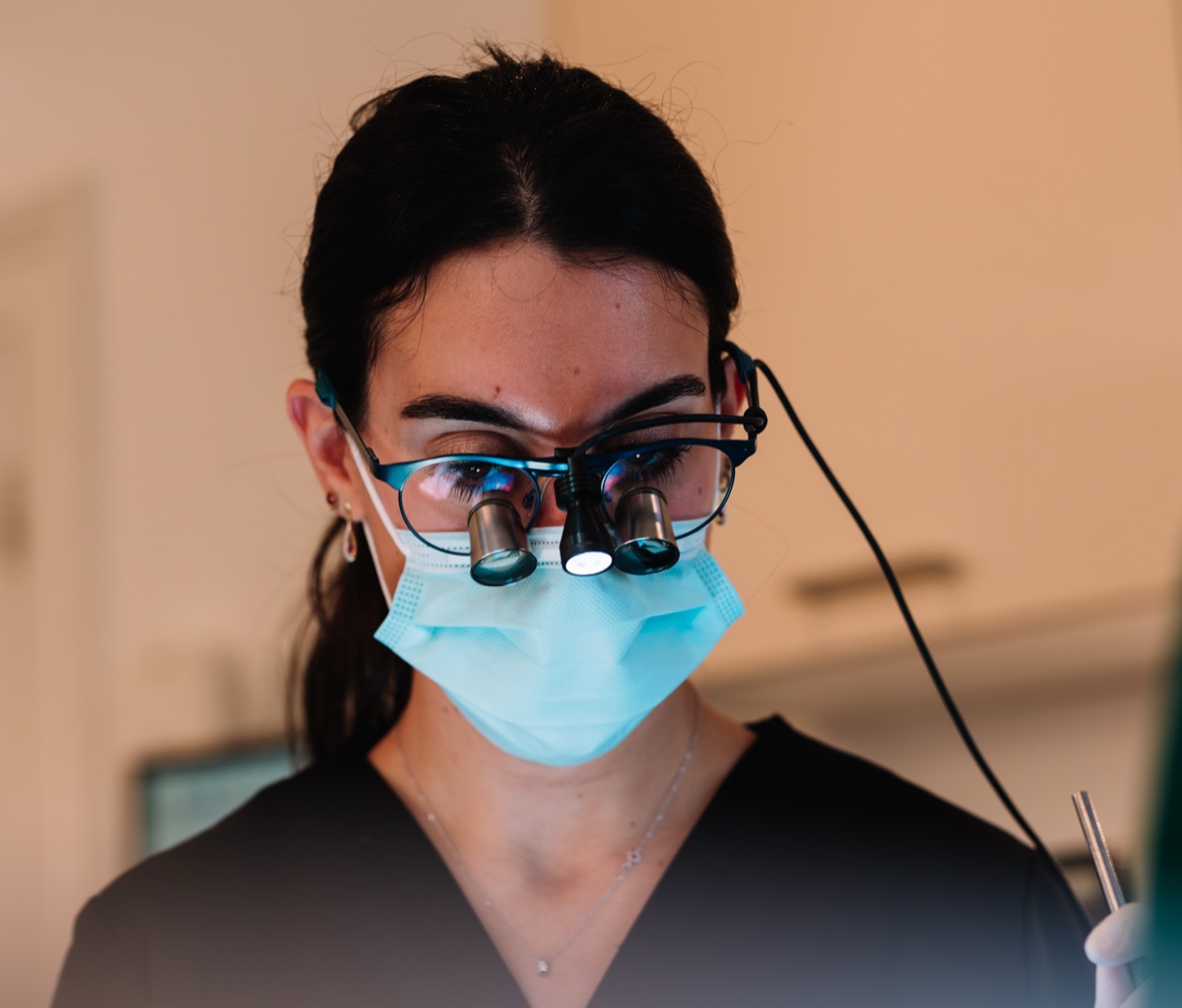
The environment should be calm and clinical yet welcoming. Using high-magnification microscopes, the dentist prepares the site with extreme precision. This magnification allows for the use of sutures (stitches) that are often thinner than a human hair, which promotes faster healing and less scarring.
The Recovery Roadmap
- Day 1-3: You may experience minor swelling. We advise a soft diet—think yoghurt, smoothies (no straws!), and warm soups.
- Week 1: The healing progresses rapidly. You will likely switch to a saltwater rinse to keep the area clean without brushing the graft directly.
- Week 2: Suture removal usually happens around this time. You will notice the gums looking healthier, though they are still maturing.
Finding the Right Expertise
Gum grafting is as much an art as it is a science. It requires a deep understanding of soft tissue biology and a steady hand. When looking for a periodontist London based patients rely on, look for a practice that emphasizes patient education and invests in technology like high-powered microscopes.
In South Kensington, our approach is rooted in the philosophy that the best dental work goes unnoticed. Whether treating a single tooth or revitalizing an entire smile, the objective is always to restore function and aesthetics in a way that feels completely natural to you.
Frequently Asked Questions
Is gum grafting covered by insurance?
Many private dental insurance plans provide partial or full coverage for gum grafting, particularly if it is deemed medically necessary to prevent tooth loss. It is best to check with your provider regarding your specific level of cover.
Can gum recession come back after a graft?
Grafts are highly successful and permanent, but they do not make you immune to recession. If the original cause (like aggressive brushing or grinding) isn’t addressed, recession can recur. We work with you to adjust habits to ensure your results last a lifetime.
I’m terrified of dental surgery. Is sedation available?
Anxiety is a very common and valid feeling. Many practices offer sedation options to help you relax during the treatment. The goal is to ensure you feel safe and comfortable throughout the appointment.
Taking the Next Step
Ignoring gum recession rarely makes it go away; usually, it accelerates the process. If you are noticing sensitivity or changes in your gum line, the most empowering thing you can do is gather information. A consultation allows you to see the status of your oral health clearly and understand the options available to protect your smile for the future.