

How Long Do Veneers Last? An Honest Guide for London Patients
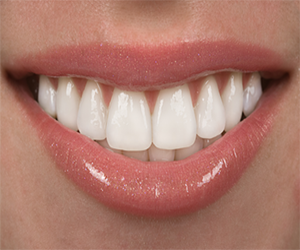
“How long do veneers last?” is one of the most-asked questions in cosmetic dentistry, and the honest answer is more useful than the marketing answer. Most websites will tell you porcelain veneers last fifteen to twenty years and leave it at that. The actual range is wider, the variables that affect it are knowable, and the honest version helps you make a much better decision about whether veneers are right for you in the first place.
This article covers the real lifespan data, what makes veneers last longer or fail sooner, the differences between porcelain and composite, what actually happens when a veneer fails, and the trade-offs of veneer treatment that the cheerful before-and-after photographs tend to skip past. The goal is for you to leave this page able to make a confident, well-informed decision about your teeth — not your smile, but your teeth.
The short answer
If you came here for a number, here it is. With caveats.
- Porcelain veneers typically last ten to fifteen years with good care. Some last twenty or more. Some fail earlier than ten years — sometimes much earlier.
- Composite veneers typically last five to seven years before they need significant repair, repolishing, or replacement. Some last longer with diligent maintenance; many do not.
The averages are useful, but the variability is more useful. A porcelain veneer placed by an experienced clinician on a patient with healthy gums, good oral hygiene, no grinding, and no high-impact habits can last twenty years and look almost identical at the end as it did the day it was placed. The same veneer placed quickly on a patient who clenches their teeth at night, has untreated gum disease, or routinely opens packaging with their teeth can fail in three or four years.
Almost everything in this article is about understanding the difference between those two patients.
What actually affects veneer lifespan
Six factors do most of the work in determining how long a veneer lasts. Some you control, some your clinician controls, and some are about the underlying biology of your mouth.
Material quality
Porcelain veneers and composite veneers are different products with different lifespans, and we cover this in detail in the next section. Within porcelain, there are also material differences. Lithium disilicate (commonly known by the brand name e.max) is currently one of the most common premium choices because it combines strength with good aesthetic translucency. Feldspathic porcelain has the most natural appearance but is more fragile. Stacked-ceramic systems offer more colour control but require more skill to place. The brand and grade of porcelain matters; cheaper materials cut corners that show up over time.
Quality of preparation and bonding
This is the part of the equation that depends entirely on your clinician’s craft. The veneer itself is only part of the result. The way the underlying tooth is prepared, the precision of the margin where the veneer meets the natural tooth, the isolation of the field during bonding (saliva contamination during placement compromises the bond), and the bonding technique itself all determine whether the veneer stays put for fifteen years or starts to debond at five. This is one of the strongest arguments against veneers placed in single-visit, high-volume practices: the work is rushed, and the rushing shows up later.
The underlying tooth structure
Veneers bond best to enamel. The more enamel that is preserved during preparation, the better and more durable the bond. This is why minimal-preparation philosophy matters — a veneer that requires only a thin shaving of enamel maintains a strong bond. A veneer that requires aggressive removal of enamel, exposing dentine, has a weaker bond and often a worse long-term outcome. This is the single most important factor that distinguishes responsible veneer treatment from the aggressive preparations seen in some high-volume markets.
Bite forces and bruxism
Grinding and clenching teeth at night (bruxism) is one of the biggest single causes of veneer failure. The forces involved in nighttime grinding are several times higher than those during normal eating, and they hit the front teeth where veneers usually sit. Patients who grind without protection routinely chip, crack, or debond veneers years before they should. A nightguard is essential for any patient with bruxism considering veneers, and if grinding is severe enough, veneers may not be the right answer at all.
Oral hygiene and gum health
Veneers do not fail in isolation — the gums and bone supporting the underlying teeth fail first, and the veneers go with them. Gum recession exposes the margin where the veneer meets the tooth, creating an unsightly dark line and an entry point for bacteria. Periodontal disease undermines the bone supporting the tooth, which eventually compromises the entire restoration. Patients with active gum disease who have veneers placed are setting up for early failure. Stable periodontal health is a prerequisite for predictable veneer longevity.
Diet and habits
Acidic foods and drinks (citrus, wine, fizzy drinks, kombucha) erode enamel around the veneer margins over years. Biting fingernails, opening packaging with your teeth, chewing on pens, and using your front teeth to tear or hold things create high-stress events that veneers are not designed to absorb. Smoking discolours composite veneers significantly and contributes to gum recession around all veneer types. None of these are deal-breakers individually; combined over years, they shorten veneer lifespan meaningfully.
Porcelain vs composite: what the longevity difference actually means
The choice between porcelain and composite is one of the bigger decisions in veneer treatment, and the longevity difference is only part of the story.
Composite veneers
Composite veneers are made from tooth-coloured resin applied directly to the tooth and shaped by hand by the clinician in a single appointment. They are less expensive than porcelain, faster to place (a single visit rather than two or more), repairable in the chair if they chip, and removable if you decide to change course. Their disadvantages are real: composite stains over time (coffee, tea, wine, smoking), wears down faster than porcelain, and typically lasts five to seven years before needing significant repolishing or replacement. They also require more touch-up maintenance — a polish every six to twelve months keeps them looking their best.
Composite is a good choice for younger patients who want to test the look before committing to porcelain, for minor cosmetic corrections, for budget-constrained cases, and for patients who want a reversible option.
Porcelain veneers
Porcelain veneers are made by a dental laboratory from impressions or scans of your teeth, then bonded to the tooth in a second appointment. They are more expensive, take longer (usually two to three appointments minimum), harder to remove, and harder to repair if they chip (often requiring full replacement of the affected veneer). Their advantages are also real: they do not stain, they are stronger and more durable than composite, they look more natural in the long run because they are translucent and reflect light the way enamel does, and they typically last ten to fifteen years or more.
Porcelain is the right choice for patients committed to the long-term aesthetic outcome, for cases involving multiple teeth, for patients who want the most durable and lowest-maintenance option, and for patients whose underlying tooth structure and bite are well-suited to it.
A note on emax and similar premium materials
Within porcelain, lithium disilicate (e.max being the best-known brand) is currently one of the most commonly used materials for veneers because it strikes a strong balance between aesthetics and durability. It is harder than feldspathic porcelain (less prone to chipping) but still translucent enough to look natural. If you are quoted a porcelain veneer, it is reasonable to ask what specific material is being used and which laboratory will be making it. Reputable practices will tell you both.
Looking after your veneers
Most of what makes veneers last is decided on the day they are placed. Most of what makes them fail early is decided in the years after. The good news is that looking after veneers is not complicated — it is mostly looking after the teeth and gums underneath them.
Every day
- Brush twice a day with a fluoride toothpaste and a soft or medium brush. Electric toothbrushes are fine for veneers, and many patients clean more thoroughly with one.
- Avoid abrasive toothpastes. Whitening and charcoal pastes are gritty by design. Over time they can dull composite veneers and the polished surface of porcelain, and they will not make veneers any whiter.
- Clean between your teeth every day with floss or interdental brushes. The margin where a veneer meets the tooth, close to the gum, is where decay and gum problems start, and a toothbrush does not reach it properly.
At your check-ups
Keep up regular check-ups and hygiene appointments at the interval your dentist recommends, and make sure your hygienist knows which teeth have veneers so they can clean around them without scratching the surface. Because gum problems are one of the main reasons veneers fail early, these visits are also when early recession or inflammation around the margins gets spotted. Composite veneers benefit from a professional polish every six to twelve months.
Habits that shorten veneer life
- Don’t use your front teeth as tools — no opening packaging, biting nails or chewing pens.
- Use your back teeth for hard foods, and avoid crunching ice or hard sweets.
- Wear a nightguard if you grind or clench, and a sports mouthguard for contact sports. If you are not sure whether you grind, our guide to teeth grinding and jaw pain covers the signs.
- If you have composite veneers, rinse with water after coffee, tea or red wine. Porcelain does not stain, but composite does — and so do the natural teeth around your veneers.
Can you whiten veneers?
No. Whitening changes the colour of natural teeth, not porcelain or composite. If you want brighter teeth overall, whiten before your veneers are made so they can be matched to the new shade. Whitening afterwards can leave your natural teeth a different colour from your veneers.
When to book in sooner
Don’t wait for your next check-up if a veneer feels loose, has a rough or sharp edge, chips, or develops a dark line at the gum, or if the gum around it bleeds or the tooth becomes sensitive. If a veneer comes off, keep it, don’t try to glue it back yourself, and contact us for an urgent appointment. A veneer that comes away cleanly can often be re-bonded.
What actually happens when veneers fail
This is the section most veneer articles avoid. It matters because veneer failure is not theoretical — it happens, and knowing how it happens helps you make the original decision more honestly.
Debonding
The veneer comes loose and falls off, sometimes intact, sometimes broken. This is usually fixable: if the veneer comes off cleanly and the underlying tooth is healthy, it can often be re-bonded. Debonding rates depend heavily on the original bonding technique — well-bonded veneers rarely come loose; rushed work fails this way.
Chipping or cracking
A piece of the veneer breaks off, typically from impact (biting something hard) or from accumulated bite stress in patients who grind. Small chips on composite veneers can sometimes be repaired in the chair. Chips on porcelain usually require full replacement of the affected veneer, because porcelain repair is rarely durable. Cracks that go through the body of a porcelain veneer require replacement.
Margin staining
A dark line appears at the gumline where the veneer meets the natural tooth. This usually means one of two things: gum recession is exposing the margin (the underlying tooth is darker than the veneer), or the original bond at the margin is failing and bacteria are creeping in. Both are addressable, but they require intervention rather than ignoring.
Underlying decay
This is the most serious failure mode. If the veneer’s seal is imperfect at the margin, bacteria can reach the underlying tooth structure and cause decay underneath the veneer. By the time you notice anything visible, the decay can be substantial. This is rare with well-placed veneers but more common with veneers placed quickly in high-volume settings, and it is one of the strongest arguments for choosing your provider on quality rather than price.
Recession exposing prepared tooth structure
Over decades, gums recede in most people. When they recede around veneered teeth, the prepared (unveneered) tooth structure becomes visible, sometimes appearing yellower than the veneer because dentine is more yellow than enamel and porcelain. This is a normal feature of long-term veneer use rather than a failure, but it is something to be aware of.
What you can’t do
When veneers fail, your options are repair, replacement with a new veneer, or, if the underlying tooth structure is significantly compromised, progression to a crown.
The one option you generally do not have is going back to your natural teeth. Veneer preparation removes some healthy enamel, and that enamel does not come back. This is the genuine permanent commitment of veneer treatment. The veneers themselves can be replaced; the underlying tooth modification cannot be undone. This is a fact that responsible cosmetic dentistry tells patients before they commit, and that some practices skip over.
The dental tourism question
Cannot be avoided in any honest 2026 article about veneers. London patients researching veneers will encounter offers from Turkey, Hungary, Albania, and other destinations at a fraction of UK prices. These are real options that some patients use. Here is the honest version of what to know.
The cost difference is real. A full set of porcelain veneers in Istanbul might cost a fraction of the London price, even including flights and hotel. Some clinicians abroad are genuinely excellent and produce work that rivals the best in London. Some are not, and the regulatory variance is wider than at home.
The bigger issue, in our experience, is not always the quality of the procedure itself but what is actually being done. Many veneers placed in high-volume international clinics are heavily aggressive preparations — the underlying teeth are reduced significantly more than minimal-preparation veneer technique would require, often crossing the line from veneer territory into what is effectively crown territory. The resulting tooth structure is much more compromised than the patient often realises. When these restorations fail — and they will, eventually — the options for the patient are narrower than they would have been with conservative original preparation.
The other issue is aftercare. Veneers do not need much aftercare for the first few years, but over a typical fifteen-year lifespan you will need follow-up appointments, occasional repairs, and eventually replacement. If your veneers were placed in another country, that ongoing care happens at home, often involving the work of clinicians who did not place the original restorations and may face limitations in repairing them. Replacement veneers from a UK practice on a foreign-prepared tooth can be more difficult and more expensive than a fresh veneer placed locally would have been.
None of this is to say nobody should consider treatment abroad. It is to say that the cost comparison is rarely as clean as the headline price suggests, and that the patient considering it should understand what they are actually buying. A veneer is not a one-time transaction; it is the start of a long relationship with the underlying tooth structure.
What good veneer treatment looks like in London
Whatever practice you choose, here are the practical markers of veneer treatment done properly.
- Honest assessment of whether veneers are right for your case. For some patients, what they want from veneers can be achieved with whitening alone, or with composite bonding, or with orthodontic treatment to align the underlying teeth. A practice that recommends veneers for everyone is not assessing; it is selling. The right answer for some patients is no veneers.
- Minimal-preparation philosophy. Preserve as much natural tooth structure as possible. Aggressive preparation should only be used when the case genuinely requires it, not as a default.
- Wax-up or digital mock-up. Before committing, you should be able to preview what your veneers will look like — either as a physical wax-up the clinician shows you in your mouth, or as a digital simulation. Committing to permanent tooth modification without seeing the planned outcome is unwise.
- Named, reputable laboratory. Your veneers will be made by a laboratory, and the quality of that lab matters. Reputable practices work with named, established UK or international laboratories and will tell you which one your veneers come from. Anonymity here is a flag.
- Reasonable timeline. Quality veneer treatment usually takes multiple appointments — consultation, preparation, temporaries, fitting. Single-day full-mouth veneer transformations are a strong signal that corners are being cut.
- Written treatment plan with full disclosure. Including what is covered if a veneer chips or fails within a guarantee period, what replacement costs look like, and what the long-term follow-up arrangement is.
A note on veneers at Behrens Dental
To be specific about our approach: at Behrens Dental, veneers are part of a broader approach to cosmetic dentistry that begins with assessing what each patient actually needs rather than offering the same treatment to everyone. Some patients who come in asking about veneers leave with a recommendation for whitening and minor composite bonding instead, because that is genuinely the right answer for their case. Others receive porcelain veneers because that is the right answer for theirs.
Dr. Chiara Burgio’s work at the practice focuses on aesthetic and restorative dentistry, full-mouth rehabilitation and smile design. She earned her Doctorate of Dental Surgery in Madrid and completed an Advanced Clinical Fellowship in Aesthetic Dentistry at New York University. Read more about Dr. Burgio.
Next steps
If you are considering veneers, the most useful next step is a proper consultation — not a sales appointment, but a clinical assessment of what your teeth actually need to achieve the result you want. You will leave with a clear picture of whether veneers are the right answer, what alternatives exist, what the realistic outcomes look like, and what the trade-offs are. Whatever you decide — with us, with another London practice, or to take time to think about it — the consultation gives you the information to make the decision properly.
Veneers are a permanent commitment to the underlying tooth structure. They deserve more than an Instagram-led decision.