

Understanding Periodontal Maintenance and Gum Disease Care
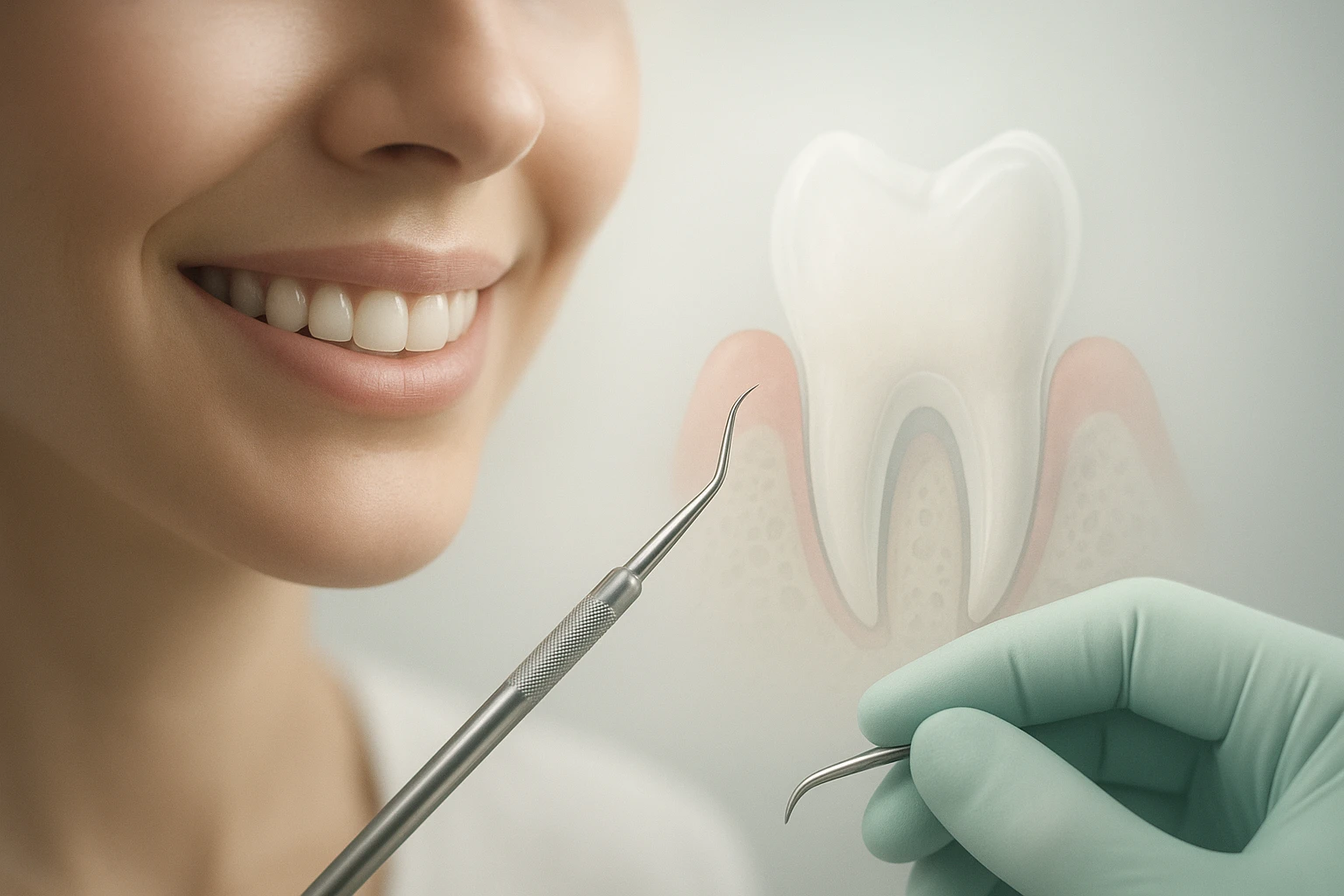
You’ve just completed your periodontal treatment. After weeks or months of dedicated care, your gums feel healthier, the bleeding has stopped, and you can finally breathe a sigh of relief. The battle is won, right? You can now go back to your regular six-month cleanings and put it all behind you.
This is a common and completely understandable thought. But the reality of gum disease is a little more complex.
Think of periodontal disease not as a cold that you cure, but as a chronic condition like diabetes or high blood pressure. It can be managed and controlled successfully, but it requires ongoing, specific care and help from a top periodontist to prevent it from returning. This is where periodontal maintenance comes in—it’s not just a cleaning; it’s the crucial phase of your treatment designed to protect your health for a lifetime.

The Critical Difference: Periodontal Maintenance vs. a Regular Dental Cleaning
One of the biggest sources of confusion for patients is the difference between periodontal maintenance and a standard dental cleaning (also known as prophylaxis). On the surface, they might seem similar, but their purpose, scope, and technique are fundamentally different.
A Regular Cleaning (Prophylaxis) is about prevention. It’s designed for individuals with generally healthy gums to remove the soft plaque, tartar, and stains that accumulate above the gumline. Think of it as a routine service for a healthy mouth, keeping things in good working order.
Periodontal Maintenance is about disease management. It’s a prescribed treatment for patients who have a history of periodontitis. Because gum disease destroys the bone and tissue that support your teeth, it creates deeper pockets between the teeth and gums. These pockets are impossible to clean effectively at home. The primary goal of maintenance is to clean these pockets below the gumline, disrupting the bacterial colonies that caused the disease in the first place and preventing them from doing more damage.
Why You Can’t Simply Go Back to ‘Normal’ Cleanings
After successful gum disease treatment, the inflammation is under control, and the pockets have likely reduced in depth. So, why the need for a specialised maintenance plan?
-
The Bacterial Blueprint: The specific, aggressive bacteria that cause periodontitis are persistent. Research shows that these destructive bacteria can repopulate the deep pockets under your gums in as little as 90 days. A standard six-month cleaning schedule gives them more than enough time to reorganise and restart the disease process. This is why most maintenance programmes are scheduled every three to four months.
-
Deeper Pockets Remain: While treatment improves pocket depths, they often don’t return to the shallow, 1-3mm depths of a perfectly healthy mouth. These remaining pockets act as reservoirs for bacteria, requiring professional instruments to clean them effectively.
-
Your Unique Risk Profile: Factors like genetics, smoking, stress, and other systemic conditions (like diabetes) can make you more susceptible to gum disease. In fact, a key question many patients ask is, “is gum disease genetic?” Understanding your personal risk factors helps your dental team create a maintenance schedule tailored specifically to you.
A Step-by-Step Look at Your Periodontal Maintenance Visit
Knowing what to expect can help demystify the process and highlight its value. A periodontal maintenance appointment is a thorough, multi-step procedure focused on monitoring and managing your condition.

The Examination: More Than Just a Glance
Your visit begins with a detailed assessment. This isn’t a quick look; it’s a data-gathering mission.
- Medical History Update: Your clinician will discuss any changes in your overall health, as many conditions can impact your gums.
- Oral Health Check: A visual inspection of your teeth and gums for any signs of trouble.
- Periodontal Charting: This is the most critical step. Your hygienist or periodontist will use a small probe to carefully measure the depth of the pockets around each tooth. They are looking for any changes, bleeding points, or signs of returning inflammation.
The Cleaning: Targeted and Precise
This is where the specialised work happens.
- Scaling and Root Planing: Using precision instruments, your clinician will remove plaque and tartar from both above and below the gumline. If any areas show signs of returning activity, they may perform targeted root planing to smooth the root surfaces and help the gums reattach.
- Advanced Techniques: For persistent problem areas, modern practices may use advanced technology. For instance, exploring options like laser periodontal treatment in London from Behrens Dental can offer a minimally invasive way to manage stubborn bacterial pockets.
- Polishing: The final step is to polish your teeth, which helps remove stains and creates a smooth surface that is more resistant to plaque buildup.
The Assessment: Planning Your Path Forward
The visit concludes with a review and a plan.
- Home Care Review: Your clinician will discuss your current home care routine and may offer new techniques or tools to improve your effectiveness.
- Interval Adjustment: Based on the findings of the visit, your maintenance schedule might be adjusted. If everything is stable, you might stay on a three or four-month schedule. If there are signs of trouble, you might need to be seen more frequently for a short time.
Demystifying Common Myths About Gum Disease Maintenance
Misconceptions can unfortunately lead patients to neglect this vital stage of care. Let’s clear up a few common myths.

Myth 1: “My gums don’t bleed anymore, so I must be cured.” Fact: While the absence of bleeding is a fantastic sign, it indicates the disease is controlled, not eradicated. The bacteria are still present, and without regular maintenance to disrupt them, they will cause inflammation and bleeding again.
Myth 2: “It’s just another expensive cleaning.” Fact: Periodontal maintenance is a specific medical therapy. It’s an investment to prevent the recurrence of disease, which can be far more costly to address. When you consider the value of advanced treatments and the potential future duo lase periodontal treatment price, regular maintenance is the most cost-effective path forward to protect your teeth, bone, and overall health.
Myth 3: “My home care is perfect, so I can probably skip a few appointments.” Fact: Even the most diligent brushing and flossing cannot reach bacteria colonising in pockets 4mm or deeper. Professional instruments are essential for cleaning these areas. Your home care and professional maintenance are a partnership; one cannot replace the other. Believing otherwise is a mistake, because is gum disease dangerous? Yes, if left unmanaged, it can lead to tooth loss and impact your systemic health.
The Bigger Picture: Gum Health and Your Overall Wellbeing
The importance of periodontal maintenance extends far beyond your mouth. A growing body of scientific evidence has linked chronic inflammation from gum disease to a host of serious systemic health issues, including:
- Cardiovascular Disease: The bacteria and inflammation from periodontitis can enter the bloodstream, contributing to the development of arterial plaque.
- Diabetes: The relationship is a two-way street. Uncontrolled diabetes can worsen gum disease, and active gum disease can make it harder to control blood sugar levels.
- Respiratory Infections: Bacteria from the mouth can be inhaled into the lungs, potentially causing pneumonia and other respiratory problems.
- Adverse Pregnancy Outcomes: Periodontitis has been linked to premature birth and low birth weight.
Viewing your periodontal maintenance as a key part of managing your overall health elevates its importance from a simple dental appointment to an essential component of your wellness routine.
Frequently Asked Questions (FAQ)
How often do I need periodontal maintenance?
The most common interval is every two to three months. However, your dentist or periodontist will recommend a schedule based on the severity of your initial disease, your response to treatment, and your individual risk factors.
Does periodontal maintenance hurt?
The procedure is typically very comfortable. For patients with sensitive areas, a local anaesthetic can be used to ensure a completely pain-free experience. The goal is to be thorough but gentle.
What happens if I skip my maintenance appointments?
Skipping appointments allows the harmful bacteria to recolonise, leading to a recurrence of the disease. This can result in further bone loss, deeper pockets, and the potential need to repeat the initial, more intensive phase of therapy. Consistent maintenance is the key to stability.
What if my gum disease comes back despite maintenance?
In some cases, despite best efforts, a few areas may show signs of recurring disease. The good news is that regular maintenance visits allow your dental team to catch these issues early, when they are much easier to manage. This might involve localised scaling, adjustments to your home care, or considering advanced, non-surgical options like Duo Lase to get things back on track.
Where can I find a specialist for this kind of care in London?
For comprehensive gum disease management, it’s best to see a dental practice with a focus on periodontics. If you’re looking for an experienced periodontist in London, finding a team that offers a structured maintenance programme is essential for your long-term success.
Your Next Step to Lifelong Gum Health in London
Successfully treating periodontal disease is a significant achievement and a major investment in your health. The periodontal maintenance programme is how you protect that investment. It is not a step backward or a sign of failure; it is the proactive, intelligent, and necessary way to manage a chronic condition and maintain your smile for life.
By embracing this ongoing partnership with our dental team here at Behrens Dental Practice, you take control of your oral health, safeguard your overall wellbeing, and ensure that the hard work you’ve already put in pays dividends for years to come.