

The Oral
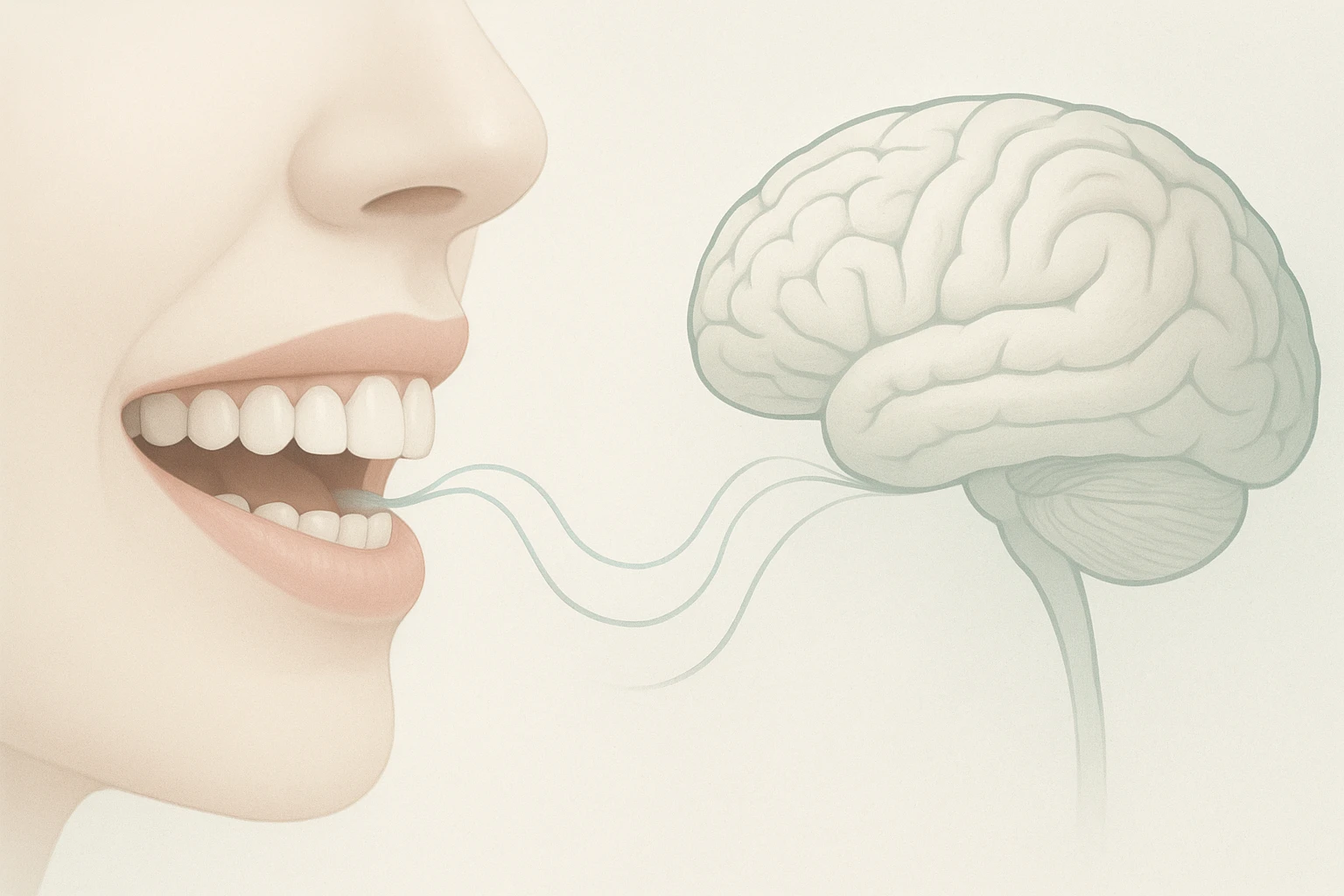
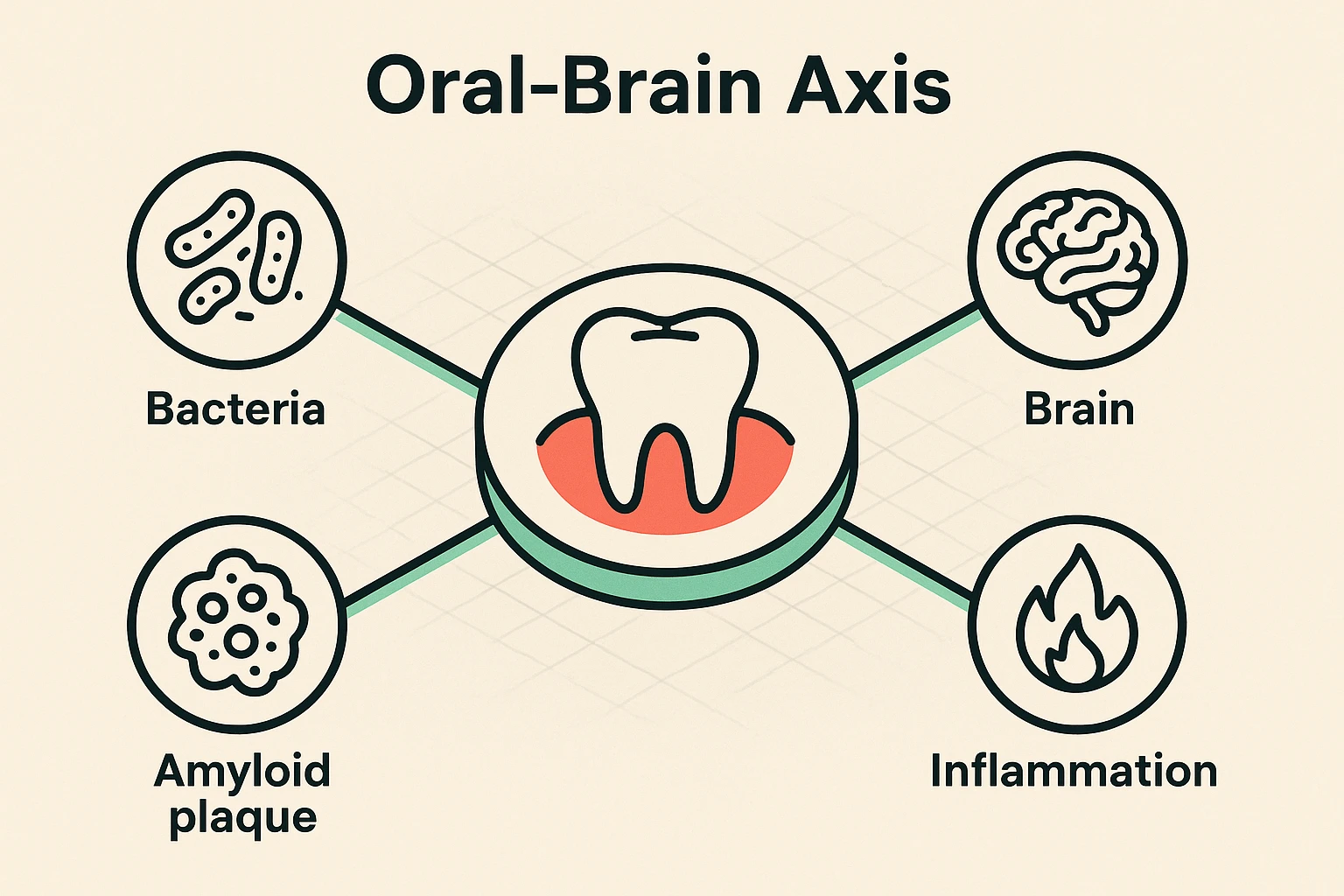
We often think of memory as something abstract, a library of experiences filed away in the mind. But what if one of the keys to protecting that library wasn’t just in brain games or diet, but in the health of your mouth? Emerging science is uncovering a startling connection between the bacteria in our gums and the health of our brain, a pathway known as the “Oral-Brain Axis.” This isn’t just about fresh breath or a bright smile; it’s about understanding how problems in your mouth affect your entire body, potentially influencing even the risk of neurodegenerative diseases like Alzheimer’s.
For years, we’ve treated oral health as separate from the rest of our bodies. A cavity was a tooth problem, and bleeding gums were a mouth problem. But this new research invites us to see the bigger picture. It suggests that the chronic inflammation and bacterial infections found in gum disease don’t stay contained. Instead, they can set off a chain reaction that reaches the brain, contributing to the very conditions we fear most as we age. It’s a profound “aha moment” that reframes the simple act of caring for your teeth and gums as a vital practice for long-term cognitive wellness.
The Root of the Problem: Understanding Periodontal Disease
Before we travel up to the brain, our journey begins in the gums. Periodontal disease, often just called gum disease, is more than just minor irritation. It’s a chronic bacterial infection of the tissues supporting your teeth. It starts simply—plaque, a sticky film of bacteria, builds up along the gumline. If not removed, it hardens into tartar, and the bacteria begin to irritate the gums, causing gingivitis, the earliest stage of the disease.
If left untreated, this irritation leads to inflammation. Your gums might become red, swollen, and bleed easily when you brush. This is your body’s immune system trying to fight off the bacterial invasion. As the condition progresses, the inflammation creates little pockets between the gums and teeth. These pockets become perfect breeding grounds for more aggressive bacteria, leading to periodontitis, the advanced form of the disease. You can explore a more detailed explanation of what is periodontal disease to understand the stages, but the key takeaway is this: periodontitis creates a constant state of infection and inflammation in your mouth. Think of it as a wound that never heals.
The Journey from Mouth to Mind: How Oral Bacteria Invade the Brain
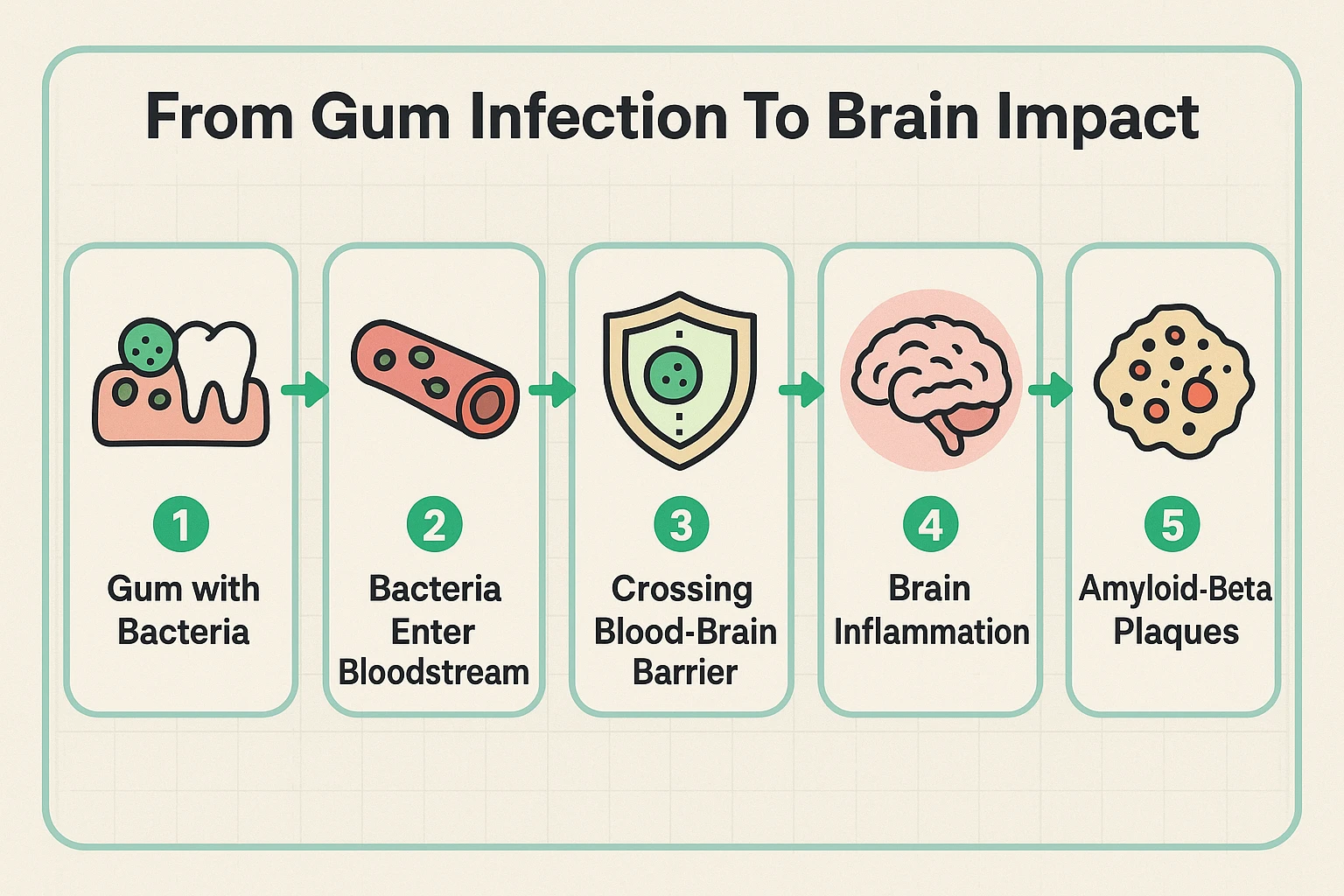
So, how does a problem in your gums create a problem in your brain? The bacteria don’t just stay put. The inflamed, bleeding gums of a person with periodontitis provide a direct entry point into the bloodstream.
Breaching the Defences
Imagine your gums are like the gatekeepers of your body. When they’re healthy, the gates are sealed. But with periodontitis, those gates are broken down. One particularly notorious bacterium, Porphyromonas gingivalis (P. gingivalis for short), is an expert at this kind of invasion. It and other pathogens can slip through the compromised gum tissue and enter the circulation, travelling throughout your body.
Crossing the Blood-Brain Barrier
Your brain is protected by a highly selective fortress called the blood-brain barrier. Its job is to let good things in (like oxygen and nutrients) and keep bad things out (like toxins and pathogens). However, research suggests that the chronic, body-wide inflammation caused by gum disease can weaken this barrier. Furthermore, bacteria like P. gingivalis appear to have their own methods for sneaking past the guards, eventually gaining access to the brain tissue itself.
Triggering Neuroinflammation
Once inside, these oral bacteria are recognised by the brain’s own immune cells, called microglia. The microglia launch an attack to destroy the invaders, creating what is known as neuroinflammation—inflammation within the brain. While this is a helpful short-term response, the persistent presence of oral bacteria can lead to chronic neuroinflammation. This is a key factor in the development of Alzheimer’s disease. This sustained inflammatory state is believed to contribute to the formation of amyloid-beta plaques and neurofibrillary tangles (tau pathology), the hallmark brain lesions of Alzheimer’s.
The Scientific Evidence: More Than Just a Theory
This connection might sound like science fiction, but a growing body of research supports it.
Scientists have found P. gingivalis in the brain tissue of deceased Alzheimer’s patients. They’ve also found gingipains—toxic enzymes produced by P. gingivalis—in their neurons. These enzymes are destructive, and their presence correlates with the components of amyloid-beta and tau tangles.
Beyond laboratory findings, large-scale epidemiological studies have painted a compelling picture. One long-term study found that individuals with chronic periodontitis for ten years or more had up to a 70% higher risk of developing Alzheimer’s disease compared to those with healthy gums. This research doesn’t suggest gum disease causes Alzheimer’s on its own, but it strongly positions it as a significant, modifiable risk factor. The risks of periodontal disease clearly extend far beyond tooth loss.
Taking Control: How Proactive Oral Health Could Protect Your Brain
This information isn’t meant to be alarming; it’s meant to be empowering. It highlights that you can take proactive steps to reduce a potential risk factor for cognitive decline. Protecting your brain health might start with paying closer attention to your gums.
The Power of Prevention and Professional Care
The first line of defence is always prevention. Excellent oral hygiene—brushing twice a day, flossing daily, and using an antiseptic mouthwash—is crucial for keeping plaque under control. However, even the most diligent home care can’t remove all hardened tartar.
That’s why regular visits to a dental hygienist are so important. Professional cleanings remove the tartar buildup that you can’t, disrupting the bacterial colonies before they can cause significant inflammation. For residents in London, finding a trusted hygienist in South Kensington can be a cornerstone of your preventive health strategy.
Advanced Treatments for Gum Health
If you already have signs of gum disease, it’s essential to seek professional care from a dental practice with expertise in periodontal health. The goal is to halt the disease’s progression and eliminate the bacterial infection.
At Behrens Dental Practice, our dentists with a special interest in periodontics offer a range of treatments tailored to your specific needs. This includes deep cleaning (scaling and root planing) to remove bacteria from below the gumline. For more advanced cases, we utilise innovative technologies like Duo-Lase™ periodontal treatment. This non-surgical approach uses two different types of lasers to precisely remove diseased tissue and eradicate bacteria with minimal discomfort, promoting faster healing. Exploring options like laser periodontal treatment in London can provide a less invasive and highly effective way to restore gum health.

Frequently Asked Questions (FAQ) about the Oral-Brain Axis
Can brushing my teeth prevent Alzheimer’s?
While there’s no single way to prevent Alzheimer’s, managing gum disease is emerging as a significant way to reduce your overall risk. Excellent oral hygiene is a critical part of managing gum disease, so while it’s not a direct “cure,” it’s a powerful and accessible tool for protecting your long-term health.
I already have gum disease. Is it too late?
Absolutely not. The goal is to stop the chronic inflammation. By treating active periodontal disease, you can reduce the bacterial load in your body and lower the level of inflammation, thereby potentially lessening the associated risk to your brain. The sooner you seek treatment, the better.
What are the early signs of gum disease I should watch for?
The earliest signs are often subtle and painless. Look for gums that are red or swollen, bleed when you brush or floss, persistent bad breath, or gums that seem to be pulling away from your teeth. If you notice any of these, it’s time to see a dentist.
How often should I see a dentist to protect my gums?
For most people, a check-up and professional cleaning every six months is recommended. However, if you have signs of gum disease or other risk factors, your dentist or hygienist might recommend more frequent visits to keep the condition under control.
Your Next Step Towards a Healthier Mouth and Mind
The connection between our mouths and our brains is a powerful reminder that the body is one interconnected system. Caring for your gums is not just about preserving your teeth; it’s an investment in your systemic health and cognitive future. Don’t ignore signs like bleeding gums or sensitivity. See them as important signals from your body that it’s time to take action.
By understanding the Oral-Brain Axis, you are empowered to make informed decisions. Whether it’s scheduling a long-overdue hygiene appointment or seeking an expert opinion on the health of your gums, every step you take matters. You can learn more about the incredible results of treatment and how modern dentistry can restore health and confidence. If you’re concerned about your gum health, the best first step is to consult with a team of periodontal experts. Getting in touch with a periodontist in London at Behrens Dental can put you on the path to a healthier mouth—and a healthier mind.