
Custom Smile Makeovers for South Kensington Lifestyles
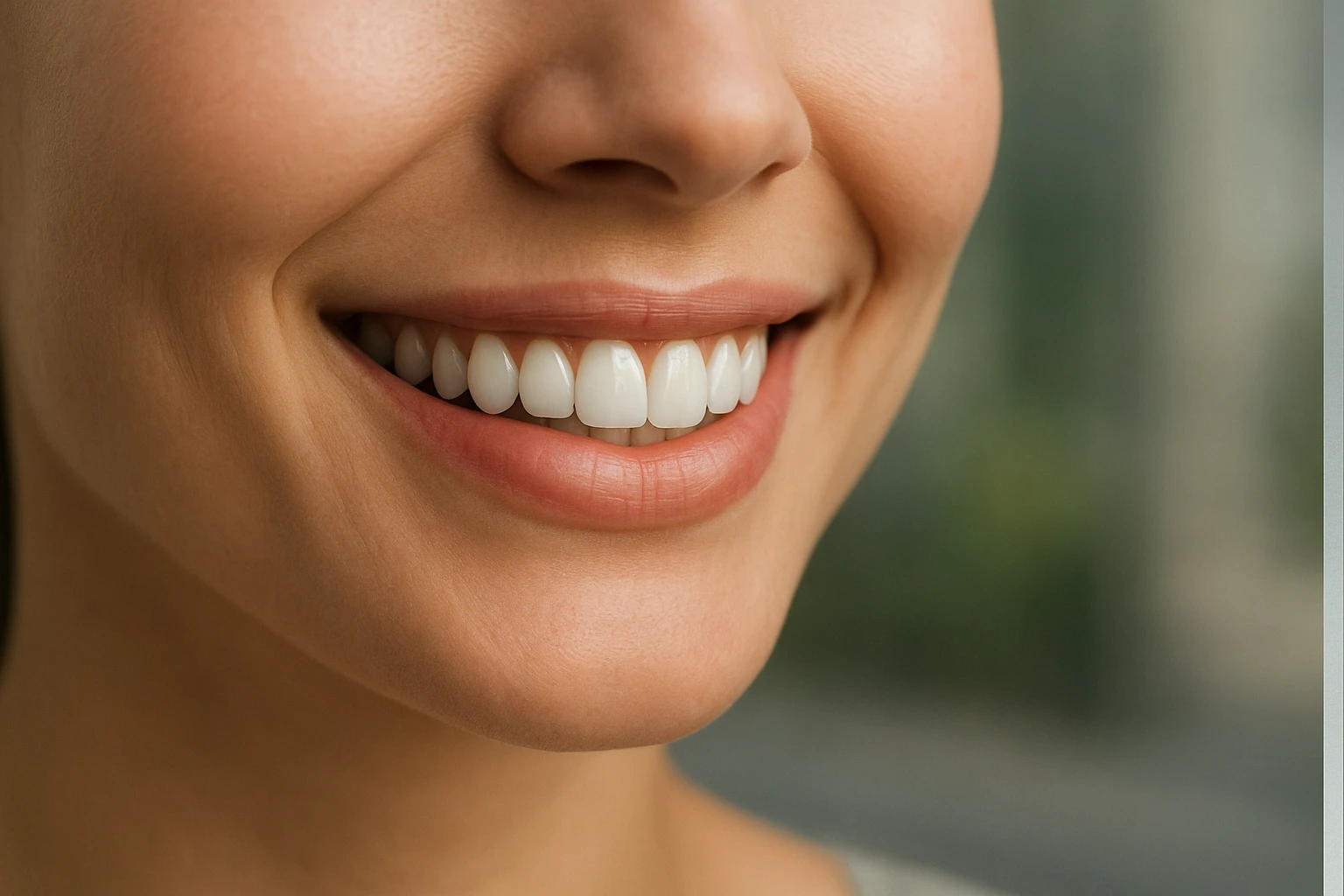
In the Royal Borough, style is often defined by what isn’t said. It is found in the cut of a bespoke suit or the subtle architecture of a townhouse—elegance that whispers rather than shouts. For many residents, this philosophy extends to their personal presentation and health. When seeking a dentist in South Kensington, the goal is rarely to achieve a dazzling, uniform “Hollywood” look. Instead, the objective is authenticity: a smile that looks healthy, radiant, and undeniably yours.
Understanding the difference between a standard cosmetic procedure and a bespoke smile makeover is the first step in a journey toward renewed confidence. It isn’t simply about fixing teeth; it is about harmonising biology with artistry to reflect your personality and lifestyle.
The Art of the Understated Smile
For years, aesthetic dentistry was synonymous with blindingly white, perfectly symmetrical teeth that often looked unnatural. Today, however, the paradigm has shifted, particularly among discerning patients who value discretion. A modern smile makeover, like we do at Behrens Dental Practice, focuses on “biomimetic” principles—mimicking the natural properties of real teeth, including their translucency, texture, and light reflection.
The “South Kensington aesthetic” is characterized by harmony. It acknowledges that a smile does not exist in a vacuum; it interacts with your lips, your gum line, and the unique contours of your face. True aesthetic dentistry avoids the “one-size-fits-all” approach, ensuring that your enhancements are undetectable to the untrained eye. The highest compliment a cosmetic dentist can receive is not when you hear “I love your veneers,” but rather, “You look incredible—have you been on holiday?”
Beyond “Perfect”: Understanding Facial Harmony
Why do some smiles look fantastic on Instagram but awkward in real life? The answer usually lies in a lack of facial integration. Designing a custom smile requires an architect’s eye for proportion. Your dentist should evaluate several key factors before even discussing materials:
- The Lip Line: How much tooth is displayed when you speak versus when you smile fully?
- The Midline: Does the centre of your smile align with the centre of your face?
- Facial Shape: Softer, rounded tooth edges can soften a square jawline, while squarer teeth can add definition to a rounder face.
- Negative Space: The small, dark triangles at the corners of the mouth (buccal corridors) are essential for a natural depth perception.
By analysing these elements, a dental team can design a smile that balances your features rather than overpowering them.
The Artisan’s Palette: Tools for Bespoke Design
A smile makeover is rarely a single procedure. It is a curated combination of treatments tailored to your specific needs. Think of your dentist as an artist and these treatments as the colours on their palette.
Porcelain Veneers
For those seeking a lasting transformation, porcelain veneers are often the gold standard. These ultra-thin shells of ceramic are bonded to the front surface of the teeth. Unlike older iterations, modern veneers can be incredibly thin (sometimes as thin as a contact lens), allowing for minimal removal of natural tooth structure.
The artistry lies in the layering of the porcelain. A master ceramist can introduce subtle colour gradations and translucency at the biting edge, creating a veneer smile that mimics the light-handling properties of natural enamel perfectly.
Composite Bonding
If you are looking for a less invasive option or need to correct minor imperfections like chips or small gaps, composite bonding is an exceptional tool. This involves applying a tooth-coloured resin directly to the tooth and sculpting it by hand.
Composite bonding teeth allows for immediate results, often in a single visit, without the need for laboratory work. It is an “additive” technique, meaning it generally requires no removal of your natural tooth structure, making it a reversible and conservative option for lifestyle-conscious patients.
Gum Contouring and Health
The “frame” is just as important as the picture. Sometimes, a smile is compromised not by the teeth, but by the gums. Issues like a “gummy smile” or uneven gum lines can throw off symmetry. Furthermore, spacing issues can sometimes lead to dark gaps between teeth, known as “black triangles,” which can age a smile and trap food. Addressing these spaces is vital not just for aesthetics, but for reducing your chances of plaque build-up and maintaining long-term oral health.
The “Test Drive”: Why Digital Design Matters
One of the greatest anxieties patients face is the fear of the unknown: “What if I don’t like the result?”
Advanced dental practices now mitigate this risk through Digital Smile Design (DSD). This process allows you to co-design your smile with your dentist. Using high-resolution photos and video analysis, the team creates a digital simulation of your new smile overlaid on your actual face.
In many cases, this digital design can be transferred to a temporary “mock-up” in your mouth. You can actually “test drive” your new smile—speaking, laughing, and looking in the mirror—before a single permanent change is made. This collaborative approach ensures that the final result aligns perfectly with your expectations and your lifestyle.
Navigating the Process: What to Ask During a Consultation
Choosing the right partner for your smile makeover is a significant decision. When consulting with a dentist, look for someone who listens more than they speak. Here are three critical questions to ask to ensure their philosophy matches yours:
- “Can I see before-and-after photos of cases similar to mine?” Look for variety in their portfolio. Do all the smiles look the same, or are they distinct to each individual?
- “What is your philosophy on preserving natural tooth structure?” A focus on minimally invasive dentistry is a hallmark of modern, responsible care.
- “How do you determine the shade/colour?” If the answer is simply a shade chart, be cautious. A bespoke approach involves discussing skin tone, eye colour, and personal preference to find a shade that brightens your face without looking artificial.
Frequently Asked Questions
Will a smile makeover look fake?
Not if it is planned correctly. The “fake” look usually comes from teeth that are too opaque, too white (monochromatic), or too uniform in length. A bespoke makeover introduces natural textures, light reflection, and subtle asymmetries that mimic nature.
Is the process painful?
Modern aesthetic dentistry is designed to be comfortable. Many procedures, like composite bonding, often require no anaesthetic at all. For more complex treatments involving veneers, local anaesthetic is used to ensure you feel nothing. Post-treatment sensitivity is usually mild and temporary.
How long do the results last?
Longevity depends on the materials used and your home care. Porcelain veneers can last 10–15 years or longer with proper care. Composite bonding typically lasts 5–7 years before needing a refresh. Regular hygiene appointments are crucial for protecting your investment.
Can I just whiten my teeth instead?
Teeth whitening is a fantastic entry point and can dramatically lift a smile. However, it cannot change the shape, position, or alignment of teeth. Often, whitening is used in conjunction with bonding or veneers to achieve the ultimate result.
Taking the Next Step
Your smile is your greeting to the world. Whether you are preparing for a significant life event or simply want to invest in your own self-assurance, a custom smile makeover offers a path to a more radiant version of yourself.
In South Kensington, the best aesthetic work goes unnoticed—people simply notice you. If you are curious about what a tailored approach to dentistry could look like for you, the first step is an open conversation about your goals.