
Quick Cosmetic Fixes with Dental Bonding in Knightsbridge
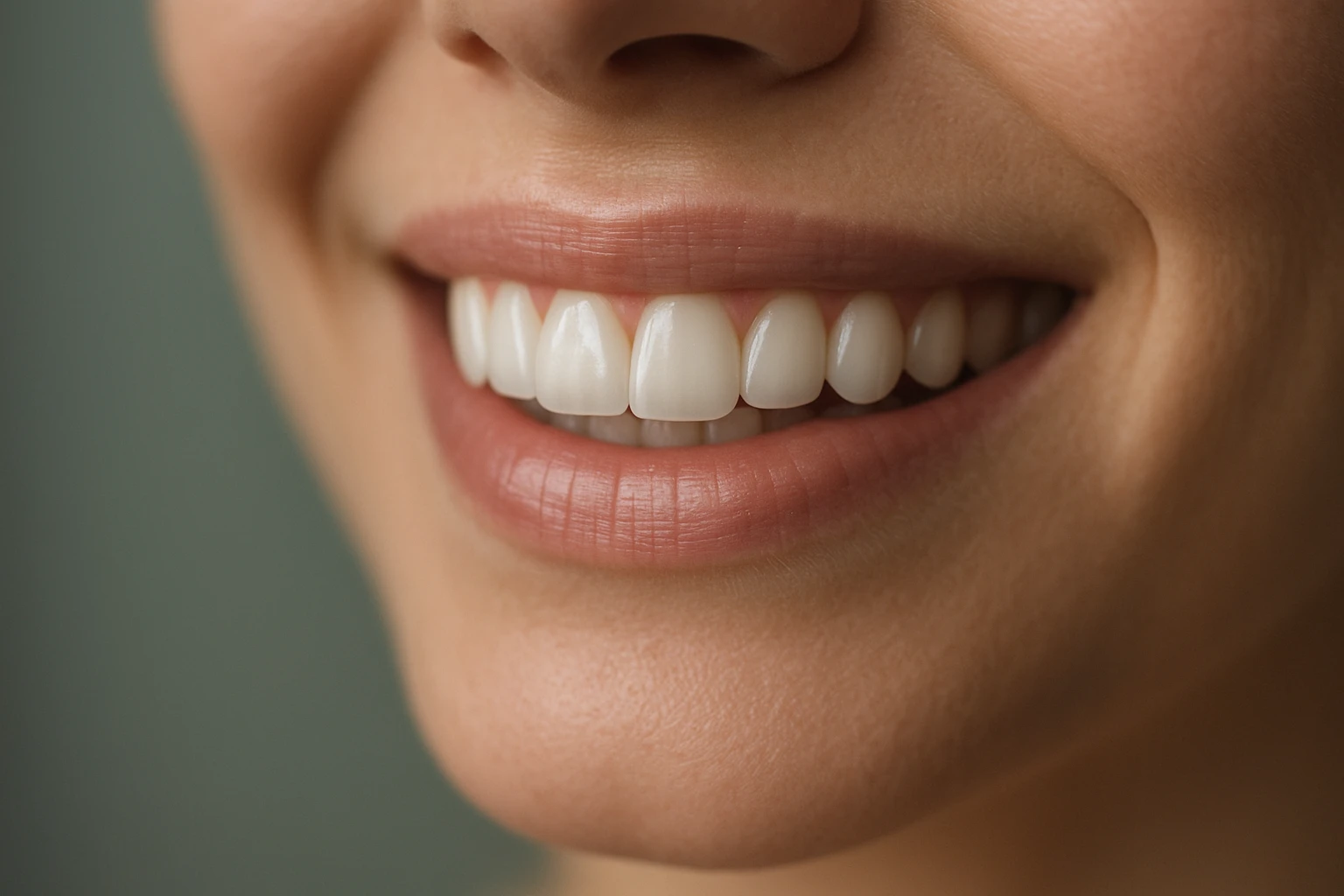
Imagine looking in the mirror and seeing the smile you’ve always wanted—not in two weeks after waiting for a laboratory, but in a single hour. For many, the hesitation around cosmetic dentistry isn’t the cost; it’s the commitment. The idea of shaving down healthy enamel to fit a veneer feels too invasive for a minor chip, a small gap, or a slightly misshapen edge. This is where the narrative of modern dentistry is shifting from “repair” to “artistry.”
In the heart of London, a sophisticated audience is discovering that immediate results don’t require structural compromise. When seeking premium dentist/dental care in Knightsbridge, London, discerning patients often prioritize treatments that deliver immediate aesthetics while preserving their “biological wealth”—their natural tooth structure. This approach, often referred to technically as dental bonding, is increasingly being recognized as “Bespoke Composite Contouring”—a procedure that blends science, sculpture, and preservation.
Beyond the “Quick Fix”: The Science of Enamel Preservation
The most profound shift in understanding for many patients is the concept of enamel preservation. In traditional cosmetic procedures, healthy tooth structure is often removed to make space for a restoration. Composite contouring flips this script. It is an “additive” procedure rather than a “subtractive” one.
The science relies on a fascinating microscopic process. Rather than drilling for retention, we utilize a mild etchant to create “microporosities” on the tooth’s surface—microscopic textures that allow the resin to interlock with your natural enamel. This creates a seal that is incredibly strong yet requires zero removal of your natural tooth structure.
The “Aha” Moment: Think of it not as rebuilding a wall, but as applying a protective, aesthetic glaze that becomes one with the existing structure. This means if you ever decide to pursue porcelain veneers in the future, your underlying teeth remain untouched and intact beneath the resin.
The Artisan Approach: Hand-Sculpted vs. Factory-Made
While veneers are typically fabricated in a laboratory, composite contouring is hand-sculpted directly in your mouth. This distinguishes the procedure as a true artisan skill. The result depends entirely on the dentist’s ability to manipulate light, texture, and shape in real-time.
At Behrens Dental Practice, we utilize high-powered microscopes during this process. Why does this matter? Because the human eye cannot always see the microscopic transition line between the resin and the tooth. By using magnification, we ensure a “seamless margin”—meaning the bond is invisible to the naked eye and less likely to accumulate plaque or stain over time.
This technique is often called “Edge Bonding” in high-end circles. It involves restoring only the edges of the teeth to create a uniform, youthful silhouette, correcting wear and tear from years of grinding or function without touching the front face of the tooth.
The 5-Step Artisan Process
Understanding the steps can demystify the experience and highlight why precision is paramount:
- Preparation: The tooth is cleaned thoroughly. No anaesthetic is usually required because there is no drilling.
- Etching: A gel is applied to create the microporosities mentioned earlier.
- Priming & Bonding: A liquid resin is applied, acting as the adhesive layer.
- Sculpting: This is the artistic phase. Putty-like composite resin is applied in layers to mimic the opacity and translucency of natural teeth.
- Curing & Polishing: A high-intensity light hardens the material (maximizing the “Degree of Conversion” for durability), followed by a polish that mimics the gloss of natural enamel.
The Knightsbridge Lifestyle: Managing the “Porous Nature”
One of the most common questions we encounter regarding composite contouring concerns longevity, specifically regarding staining. It is true that composite resin is slightly more porous than porcelain. However, with the “Composite Longevity & Lifestyle Index,” maintaining your bond is straightforward.
For the Coffee and Wine Enthusiast: You do not need to give up your lifestyle to maintain your smile. The key is surface smoothness.
- The Polishing Schedule: Professional polishing every 6 months restores the “glass-like” finish of the resin, preventing stains from finding a foothold.
- Hydration Habit: Simply swishing with water after a glass of red wine or an espresso neutralizes the pH and washes away pigments before they settle.
Is It Right for You? The Veneer-Bonding Spectrum
Choosing between composite contouring and veneers is often a trade-off between reversibility and permanence.
- Choose Composite Contouring if: You want to preserve your natural enamel, you are looking for a same-day solution, or you view this as a “test drive” for your ideal smile. It is infinitely repairable; if you chip a bond, we can simply add more material.
- Consider Veneers if: You require significant colour changes (covering dark grey teeth) or want a solution that is completely impervious to staining over 15+ years.
For many professionals, the ability to improve a smile discreetly—perhaps addressing a chipped tooth before a major event or closing a diastema (gap) without braces—makes contouring the superior choice.
FAQ: Common Questions from Our Patients
Q: Will the bonding look like plastic?
A: Not when done correctly. Modern composites are “biomimetic,” meaning they mimic biology. We use various shades of translucency to replicate the way light passes through natural enamel.
Q: Does the procedure hurt?
A: Generally, no. Since we are adhering to the surface of the enamel where there are no nerve endings, anaesthetic is rarely needed.
Q: Can I whiten my teeth after bonding?
A: The composite resin will not change colour with whitening gel. If you plan to brighten your smile, we recommend a course of teeth whitening (SW1X residents often opt for this pre-treatment) before the bonding procedure. We then match the bonding to your new, brighter shade.
Q: How long does it last?
A: With proper care, composite bonding typically lasts 3 to 7 years. Unlike veneers, which must be replaced entirely if they fail, bonding can be refurbished or touched up easily during a routine visit.
Q: What if I have gum issues?
A: Health always comes before aesthetics. If you have concerns about gum health, seeing a dentist with a special interest in periodontics or a periodontist (Knightsbridge has excellent access to specialists) is crucial. A stable foundation is required before any cosmetic work can be performed.
The Next Step in Your Journey
Your smile is your greeting to the world. Whether you are looking to fix a minor imperfection or simply want to explore what is possible without invasive surgery, bespoke composite contouring offers a sophisticated solution.
We invite you to view this not just as a dental procedure, but as an investment in your confidence. By understanding the science of adhesion and the art of sculpting, you can make a decision that fits both your aesthetic goals and your desire for conservative care.