
Gum Disease Risks for Pregnancy and Baby Health
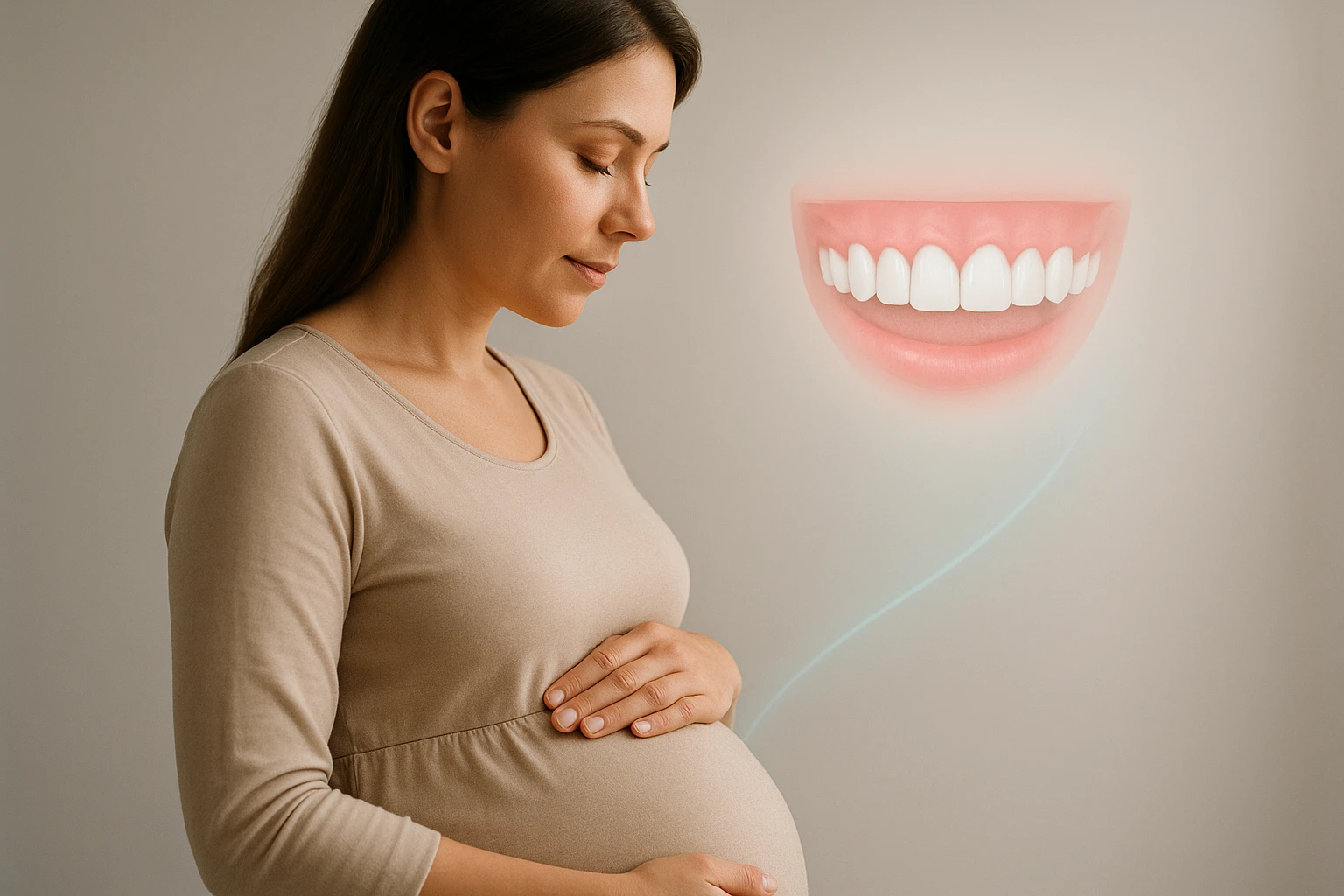
Pregnancy is a time of profound change and joyful anticipation. You’re likely focused on eating well, getting enough rest, and preparing for your baby’s arrival. But amidst the nursery planning and prenatal check-ups, there’s a crucial aspect of your health that you might be overlooking: your gums. It may sound surprising, but the health of your mouth is deeply connected to the health of your pregnancy, with growing evidence linking gum inflammation to risks like preterm birth and low birth weight.
These hormonal shifts can make your gums more susceptible to plaque bacteria, leading to inflammation and infection. This isn’t just a localized oral issue; it’s a systemic one. Understanding the connection between oral inflammation and systemic health is the first step in empowering yourself to take proactive measures for both you and your baby. At Behrens Dental Practice, our team is dedicated to helping expectant mothers navigate these changes with expert care, ensuring your oral health supports a healthy pregnancy journey from start to finish.
Why Your Gums Need Extra Attention During Pregnancy
During pregnancy, your body is flooded with hormones like progesterone and estrogen. While essential for your baby’s development, these hormones also increase blood flow to all your mucous membranes, including your gums. This can cause a heightened response to the bacteria in plaque, leading to a condition commonly known as “pregnancy gingivitis.”
Research shows that between 60% and 75% of pregnant women experience this condition. You might notice your gums are:
- Red and swollen
- Tender to the touch
- Prone to bleeding when you brush or floss
For many, this is a temporary and mild issue. However, if left unmanaged, gingivitis can progress into a more serious form of gum disease called periodontitis. Unlike gingivitis, which affects the surface of the gums, periodontitis involves a deeper infection that damages the soft tissue and bone supporting your teeth. This is where the risks to your pregnancy become more significant, as the infection is no longer contained to your mouth. Understanding why gum disease is dangerous goes beyond tooth loss; it involves your entire body’s well-being.
The Biological Bridge: How Gum Infections Can Affect Your Unborn Baby
How can an infection in your mouth possibly affect your baby in the uterus? The connection lies in your bloodstream. Think of your body as an interconnected highway system. When your gums are infected with periodontitis, two things happen:
- Bacteria Enter the Bloodstream: The harmful bacteria responsible for the infection can pass through the inflamed gum tissue and enter your circulatory system. From there, they can travel throughout your body, potentially reaching the placenta and amniotic fluid.
- Inflammation Goes Systemic: Your body’s immune system responds to the infection by releasing inflammatory mediators, such as C-reactive protein (CRP) and prostaglandins. These chemical messengers are designed to fight infection, but when produced in excess, they circulate in the blood and can trigger responses in other parts of the body.
Here’s the critical link: Prostaglandins are the very same compounds your body produces to initiate labour. If high levels of these inflammatory markers reach the uterus, they can be mistaken for a signal to begin contractions, potentially leading to preterm labour and delivery before 37 weeks. This systemic inflammation can also restrict blood flow to the placenta, which may impair fetal growth and result in a low birth weight (less than 2.5 kilograms or 5.5 pounds).
Sorting Fact from Fiction: What Does the Science Say?
For years, researchers have observed a strong association between maternal periodontal disease and adverse pregnancy outcomes. While proving direct causality in complex human studies is challenging, the body of evidence is compelling.
Numerous studies and meta-analyses have concluded that pregnant women with moderate to severe periodontitis may have a significantly higher risk—in some cases, nearly double the risk—of delivering preterm or having a baby with low birth weight.
Even more, cutting-edge research is providing new ways to understand this risk. A 2024 study published in Scientific Reports used machine learning to analyse various health factors. It identified key dental predictors, like the number of teeth with deep pockets, as significant variables in forecasting preterm birth. This reinforces the idea that your oral health isn’t just an isolated factor but a valuable biomarker for your overall health during pregnancy.

The takeaway is clear: while gum disease isn’t the only risk factor for preterm birth, it is a significant and, most importantly, a modifiable one. Taking control of your oral health is a powerful, proactive step you can take for your baby.
Your Proactive Plan for a Healthy Mouth and a Healthy Pregnancy
The good news is that preventing and managing gum disease during pregnancy is straightforward with a combination of excellent home care and professional support.
At-Home Oral Hygiene
Consistency is your best friend. A diligent daily routine can keep plaque at bay and prevent gingivitis from taking hold.
- Brush Gently, Twice a Day: Use a soft-bristled toothbrush and fluoride toothpaste to clean your teeth for two full minutes each time.
- Floss Daily, Without Fail: Flossing removes plaque from between your teeth and under the gumline, areas your toothbrush can’t reach.
- Rinse Wisely: Consider an alcohol-free, antimicrobial mouthwash to help reduce bacteria.
- Eat a Balanced Diet: A diet rich in vitamins and minerals supports healthy gum tissue. Limit sugary snacks and drinks that feed plaque-causing bacteria.
The Importance of Professional Care
While home care is essential, it’s not enough on its own, especially during pregnancy. A dental check-up is a vital part of your prenatal care plan.
At Behrens Dental Practice, our dental surgeons with a special interest in periodontics can perform a thorough examination to assess your gum health. This includes gently measuring the space between your teeth and gums to check the depth of any periodontal pocket, a key indicator of disease. Based on this assessment, they can determine the specific periodontitis grade and stage and recommend a safe, effective treatment plan.
Treatments that are perfectly safe during pregnancy include:
- Professional Dental Cleanings: To remove hardened plaque (tartar) that you can’t get rid of at home.
- Scaling and Root Planing: Often called a “deep cleaning,” this procedure removes plaque and tartar from below the gumline and smooths the tooth roots to help the gums reattach.
- Advanced Non-Surgical Treatments: For more advanced cases, modern approaches like the Duo-Lase™ technique offer a minimally invasive way to manage gum disease. This innovative laser treatment for gum disease effectively targets bacteria and promotes healing with less discomfort than traditional surgery.
Frequently Asked Questions (FAQ)
Is it safe to get dental treatment while pregnant?
Absolutely. In fact, both the American College of Obstetricians and Gynecologists (ACOG) and the British Society of Periodontology and Implant Dentistry recommend it. The second trimester is often considered the ideal time for routine procedures. Necessary treatments, like addressing an infection, are important at any stage to protect your overall health. Even questions about routine procedures like getting dental fillings when pregnant can be confidently addressed by your dental team.
What are the warning signs of gum disease during pregnancy?
Be on the lookout for red, puffy, or tender gums; bleeding when you brush or floss; persistent bad breath; or gums that appear to be pulling away from your teeth. If you notice any of these signs, schedule a dental visit promptly.
Does treating gum disease in pregnancy really lower the risks?
Maintaining optimal oral health is a proven way to reduce the body’s overall inflammatory load, which is beneficial for both you and your baby. While studies on treatment efficacy have shown mixed results on directly preventing preterm birth, controlling an active infection is a common-sense, low-risk, and highly beneficial health measure. Many patients see incredible results of periodontal treatment that restore their oral health and peace of mind.
I have morning sickness. How can I protect my teeth?
Stomach acid is highly corrosive to tooth enamel. After an episode of morning sickness, don’t brush immediately. Instead, rinse your mouth thoroughly with plain water or a solution of water and baking soda. Wait at least 30 minutes before brushing to avoid scrubbing the acid into your tooth enamel.
Your Next Step: Protecting Two Smiles at Once
Your pregnancy is a time to focus on health and wellness, and that absolutely includes your oral health. Bleeding gums should not be dismissed as a “normal” or unavoidable part of being pregnant. They are a sign from your body that your gums need more support.
By being proactive—maintaining diligent home care and seeking professional guidance—you can manage the risks of gum disease and contribute to a healthier environment for your developing baby.
If you are planning a pregnancy or are currently expecting, we invite you to schedule a consultation with our team in South Kensington. Our periodontal experts are experienced in providing gentle, effective, and safe care for expectant mothers. Let us partner with you to protect your smile and support the healthiest possible start for your little one.