
Receding Gums Advanced Solutions in Knightsbridge
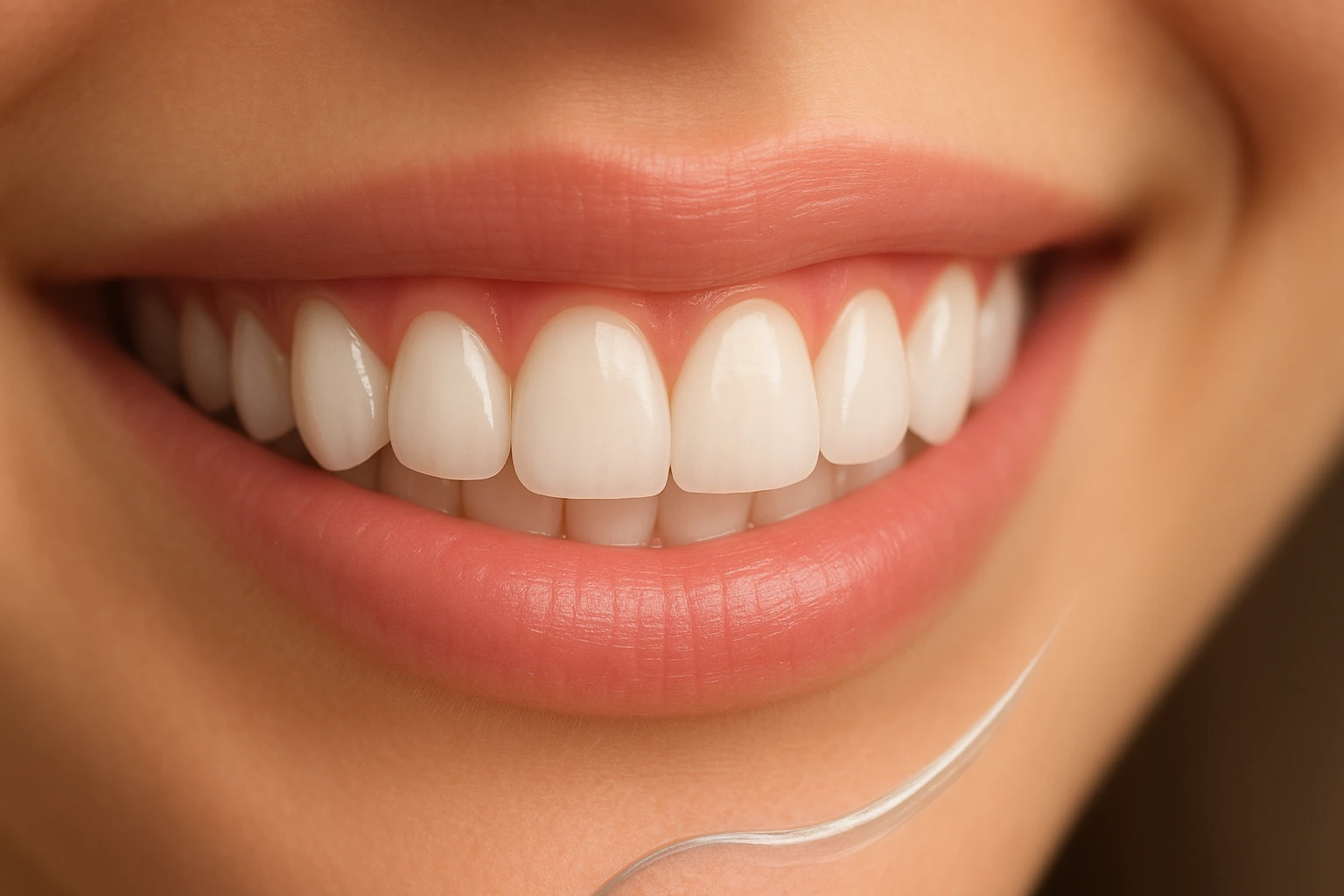
Have you ever glanced in the mirror and felt that a tooth looked “longer” than it used to? Or perhaps you’ve experienced that sharp, sudden zing of sensitivity when sipping a cold white wine or hot espresso? It is easy to dismiss these signs as just another part of the aging process, but in reality, they are often the early warning signals of gum recession. This isn’t just a cosmetic issue; it is a structural change to the “architecture” of your smile.
While general dentistry often focuses on the teeth themselves, the longevity of your smile actually depends on the foundation—the pink tissue and bone that hold everything in place. Addressing this requires a nuanced approach. Specialized dentist and periodontist care in Knightsbridge focuses on early intervention and restorative aesthetics, treating the gums not just as a biological necessity, but as the frame that defines the artwork of your teeth.
The Silent Recession: Understanding the “Why”
To understand why gums recede, it helps to visualize your teeth like a house and your gums like the soil surrounding the foundation. In a healthy mouth, there is a band of tough, thick tissue around the neck of the tooth. Dentists call this “keratinized tissue.” Think of it as a callous or a protective collar—it’s designed to withstand the friction of brushing and eating.
However, below this tough collar lies the “mucosa”—the soft, stretchy lining of your mouth (similar to the inside of your cheek). When gum recession occurs, that protective collar wears away, leaving only the soft mucosa to hug the tooth. Because this soft tissue is fragile and movable, bacteria and mechanical force (like over-zealous brushing) can easily push it further down, exposing the sensitive root surface.
This exposure leads to two main problems:
- Aesthetics: The symmetry of the smile line is broken, creating black triangles between teeth or an uneven appearance.
- Structural Vulnerability: The root surface is softer than enamel and prone to rapid decay and abrasion.
Beyond the “Patch”: The Art of Connective Tissue Grafting
For many patients, the phrase “gum surgery” conjures images of painful, outdated procedures. However, modern periodontal microsurgery has evolved significantly. In the high-end aesthetic zone—your visible smile—the goal is no longer just to cover a root; it is to recreate nature so seamlessly that even a dentist would struggle to identify the surgical site.
This is where Connective Tissue Grafts (CTG) shine.
Unlike older methods that might take a patch of skin from the surface of the roof of your mouth (often resulting in a color mismatch), a Connective Tissue Graft uses the layer underneath the surface.
Why CTG is the “Invisible” Solution
- Color Match: Because the tissue comes from a sub-layer, it retains a blood supply that helps it blend perfectly with your adjacent gums.
- Dual Healing: It promotes a “double blood supply” from both the underlying bone and the overlying gum flap, increasing the success rate significantly.
- Plumping Effect: It thickens the gum tissue, which is vital for preventing future recession. It doesn’t just cover the root; it rebuilds the “protective collar.”
If you are considering a gum graft in London, specifically for front teeth, asking about the Connective Tissue technique is essential for an aesthetic outcome.
Addressing the “Palate Myth” and Recovery Reality
The number one reason patients delay treatment is fear of pain—specifically regarding the donor site on the roof of the mouth. This fear is largely based on older techniques (Free Gingival Grafts) that left a large “scrape” on the palate.
With the advanced techniques used by periodontal experts today, the harvest technique is much less invasive. By using a “trap door” or single-incision approach, the surface of the palate often remains intact, significantly reducing discomfort.
The Recovery Timeline
- Day 1-2: Most patients report mild discomfort manageable with over-the-counter medication. The surgical area is often covered with a protective material.
- Day 3-7: Swelling may peak and then subside. A soft diet is strictly required—think pasta, eggs, and smoothies.
- Week 2: The stitches (often dissolving) begin to disappear, and normal oral hygiene routines can slowly resume in non-surgical areas.
A 20-Year Investment in Your Smile
When evaluating medical procedures, we often look at immediate results. However, gum grafting is a long-term investment in structural stability. Research published in the Journal of Periodontology suggests that successfully grafted sites can maintain stability for 20 to 35 years.
By thickening the tissue today, you are essentially “future-proofing” your teeth against bone loss and further recession decades down the line. It transforms a fragile environment into a robust, biologically stable foundation.
While Behrens Dental Practice is renowned for utilizing advanced laser periodontal treatment in London (such as Duo-Lase™) to treat active gum disease, structural recession often requires the physical reconstruction that only grafting can provide. The two often work in tandem: lasers to clear infection and ensure a healthy environment, and grafting to restore the lost architecture.
Frequently Asked Questions
Is gum recession reversible without surgery?
True gum recession—where the tissue has physically detached and the bone has receded—is generally not reversible with creams or brushing techniques. While improved hygiene can stop further loss, it cannot grow back lost tissue. Surgical intervention is currently the only way to regenerate the lost gum height and thickness effectively.
What is the difference between a donor graft and using my own tissue?
Using your own tissue (autograft) is considered the “gold standard” because it carries no risk of rejection and heals rapidly. However, in cases where multiple teeth need treating at once, periodontal experts may suggest using a biocompatible donor matrix (like a collagen matrix) to avoid a second surgical site. This is an excellent discussion point for your consultation.
Will I be awake during the procedure?
Yes, the procedure is typically performed under local anesthesia, meaning the area is completely numb, but you are awake. For anxious patients, sedation options are often available to ensure a relaxed, comfortable experience.
How do I prevent recession from coming back?
The longevity of a graft depends heavily on aftercare. This involves switching to a soft-bristled toothbrush, correcting traumatic brushing habits, and maintaining regular hygiene appointments to monitor the health of the gum “pockets.”
Taking the Next Step in SW1X
Your gums frame your smile. If that frame is deteriorating, even the most perfect teeth can look aged or compromised. Whether you are a professional seeking a discreet solution or simply want to eliminate sensitivity, modern gum grafting offers a pathway to restore both function and aesthetics.
If you suspect your gums are receding, the best first step is a comprehensive evaluation. By assessing the “biotype” of your gums (thick vs. thin) and the extent of the recession, a tailored plan can be created to restore the architecture of your smile for decades to come.